Where Winds Meet Chinese Name: “燕云十六声 (Yānyún Shíliù Shēng)” Explained
Where Winds Meet Chinese Name: It’s “燕云十六声” (Yānyún Shíliù Shēng)
The Chinese name for Where Winds Meet is “燕云十六声” (Yānyún Shíliù Shēng). Chinese players usually shorten it to “燕云” (Yānyún) in chat, because six characters is a lot when you’re mid-combat.
If you’re trying to find guides, trailers, or community posts on Chinese platforms, search “燕云十六声” first. Searching “Where Winds Meet” works sometimes, but it’s hit-or-miss compared to the Chinese title.
What Chinese players actually type (so you can copy their habits)
- Most common: 燕云 (Yānyún) — casual, fast, everyone understands
- Most accurate for search: 燕云十六声 (Yānyún Shíliù Shēng) — best for stores + official announcements
- Keyboard-friendly shorthand: yysls — pinyin initials people use as tags or folder names
Real-life example: on Bilibili, “燕云” tends to pull memes and clips, while “燕云十六声” pulls official trailers, patch notes, and proper guides.
What the title means (and why it’s not a direct translation)
“Where Winds Meet” is a clean English title that sells mood fast. The Chinese title is doing a different job: it’s trying to sound like a classic wuxia (“武侠” wǔxiá) story you’d find on an old bookshelf.
So no, it’s not a word-for-word translation. It’s a vibe translation.
“燕云” (Yānyún): a location-feel, not a random pretty phrase
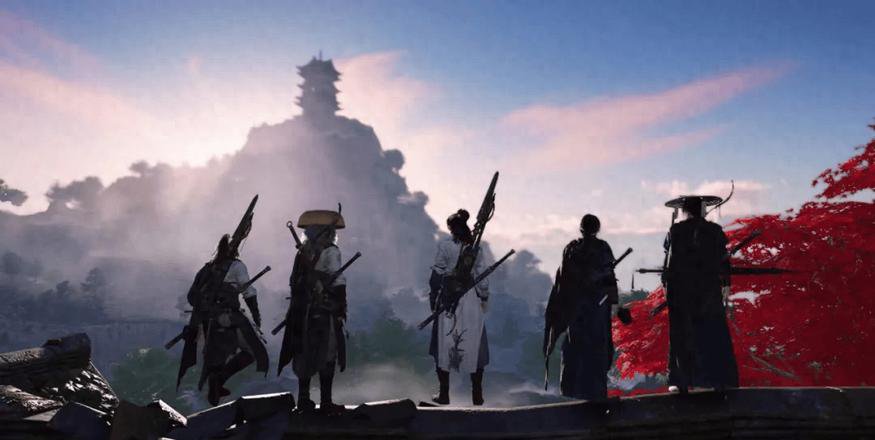
“燕云” points your brain to northern China frontier energy—wind, borders, shifting power, the whole “jianghu” (“江湖” jiānghú, the martial world) vibe.
It also echoes the famous historical phrase “燕云十六州” (Yānyún Shíliù Zhōu). The game title borrows that weight without copying it.
“十六声” (Shíliù Shēng): the one-character twist that makes it poetic
History uses “十六州” (Shíliù Zhōu, “sixteen prefectures”). The game uses “十六声” (Shíliù Shēng, “sixteen sounds/voices”). That swap turns it from “history term” into “legend title.”
Also, “声” (shēng) lets the game hint at culture and tradition without sounding like a homework assignment.
How to pronounce it (without turning it into a tongue workout)
- 燕云十六声 — Yānyún Shíliù Shēng
- 燕云 — Yānyún
Typing tip (pinyin input): type yanyun → you’ll usually get “燕云” quickly. Add shiliusheng to complete “燕云十六声.”
English official site + Chinese official site
- English official website: https://www.wherewindsmeetgame.com/
- Chinese official website (燕云十六声): https://www.yysls.cn/
Quick “is this legit?” checklist
- Domain check: the English official site uses wherewindsmeetgame.com; the Chinese official site uses yysls.cn.
- Don’t confuse fan hubs with official: if the site is mostly “builds/tools” and ads, it’s usually community-made, not official.
- Best safe path: open the Steam page, then click the official links from there.
NPC names: why they “feel” so Chinese (with pinyin)
This game’s naming style is very wuxia: some names sound poetic, some sound like nicknames you’d hear in a teahouse, and some are hilariously straightforward.
Here are NPC examples people often share, grouped the way players remember them:
Main story / big presence
- 周红线 (Zhōu Hóngxiàn) — early guide vibe, strong sense of justice
- 寒香寻 (Hán Xiāngxún) — elegant, dangerous, the kind of name that already sounds like a legend
- 江晏 (Jiāng Yàn) — heavy-hitter energy, tied closely to the protagonist
- 陈子奚 (Chén Zǐxī), 千夜 (Qiānyè), 伊刀 (Yīdāo) — names that read like “don’t mess with them” before you even meet them
Functional NPCs (aka: the ones you keep running into)
- 齐音 (Qí Yīn) — often linked to clever/contraption-style tasks
- 齐声 (Qí Shēng) — another paired name that feels intentional (sound/music vibe)
- 张大壮 (Zhāng Dàzhuàng) — basically “Big Strong Zhang,” and yes, it’s supposed to be that on-the-nose
- 万俟 (Mòqí; sometimes read Wànqí) — a rare compound surname, looks intimidating, very “period drama”
Shopkeepers / everyday world flavor
- 熊大 (Xióng Dà) — simple, memorable, easy to yell when you need supplies
- 郝久 (Hǎo Jiǔ), 唐宝 (Táng Bǎo) — merchant-style names that sound like people you’d actually meet
- 王修竹 (Wáng Xiūzhú), 胡牛儿 (Hú Niú’ér) — one refined, one folksy, a very classic wuxia contrast
- 何晓星 (Hé Xiǎoxīng), 曹生 (Cáo Shēng), 赵文秀 (Zhào Wénxiù) — names that feel like “this town has a real population”
Similar wuxia game titles that use the same “mood-first” naming logic
- 天涯明月刀 (Tiānyá Míngyuè Dāo) — often known in English as Moonlight Blade
- 逆水寒 (Nìshuǐ Hán) — often known as Justice Online
- 剑网3 (Jiànwǎng Sān) — commonly written as JX Online 3
Same pattern every time: Chinese titles go for rhythm, imagery, and “story-book credibility.” English titles usually go for clarity and instant recognition.
Story background (secondary, but here if you want context)
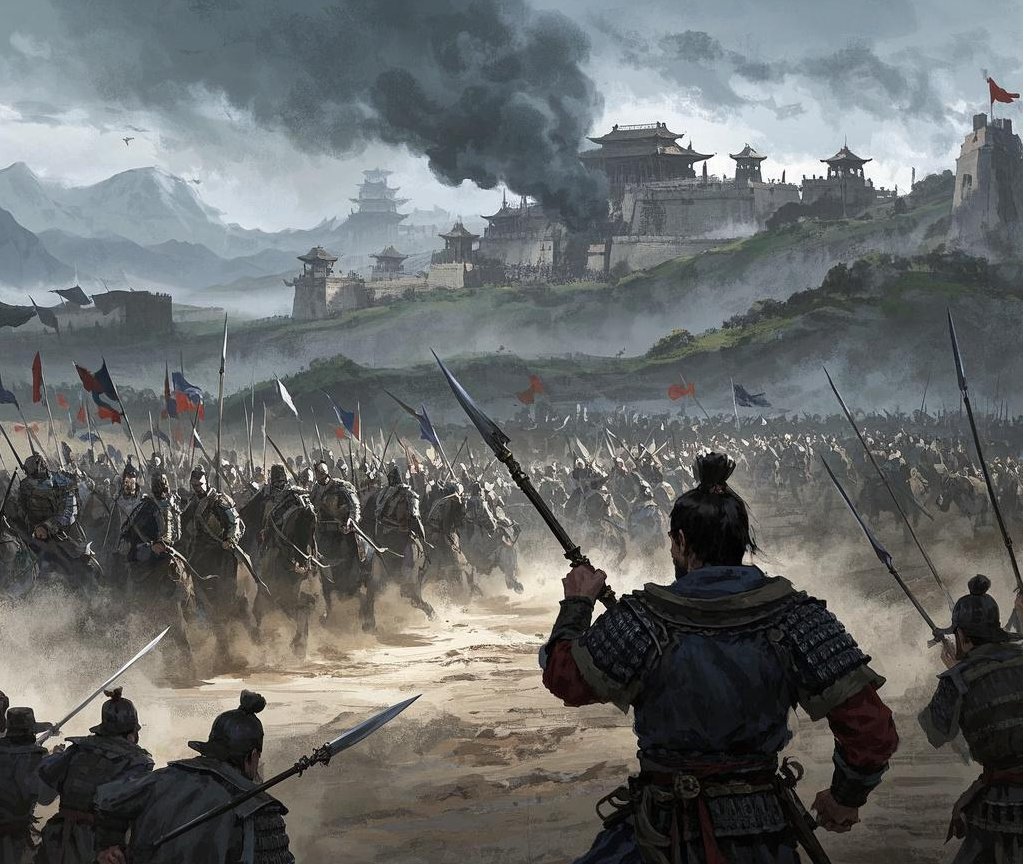
Where Winds Meet / “燕云十六声” (Yānyún Shíliù Shēng) is set in 10th-century China, around the Five Dynasties and Ten Kingdoms era (“五代十国” Wǔdài Shíguó) and early Northern Song (“北宋” Běi Sòng) vibes.
You’re basically dropped into a messy, shifting world where martial arts, factions, and personal choices collide—classic “jianghu” (“江湖” jiānghú) chaos, with a big open-world playground.