Chinese Names That Mean Flower (Real, Usable & Culturally Accurate)
Chinese Names That Mean Flower: 100+ Beautiful Options with Deep Cultural Meanings
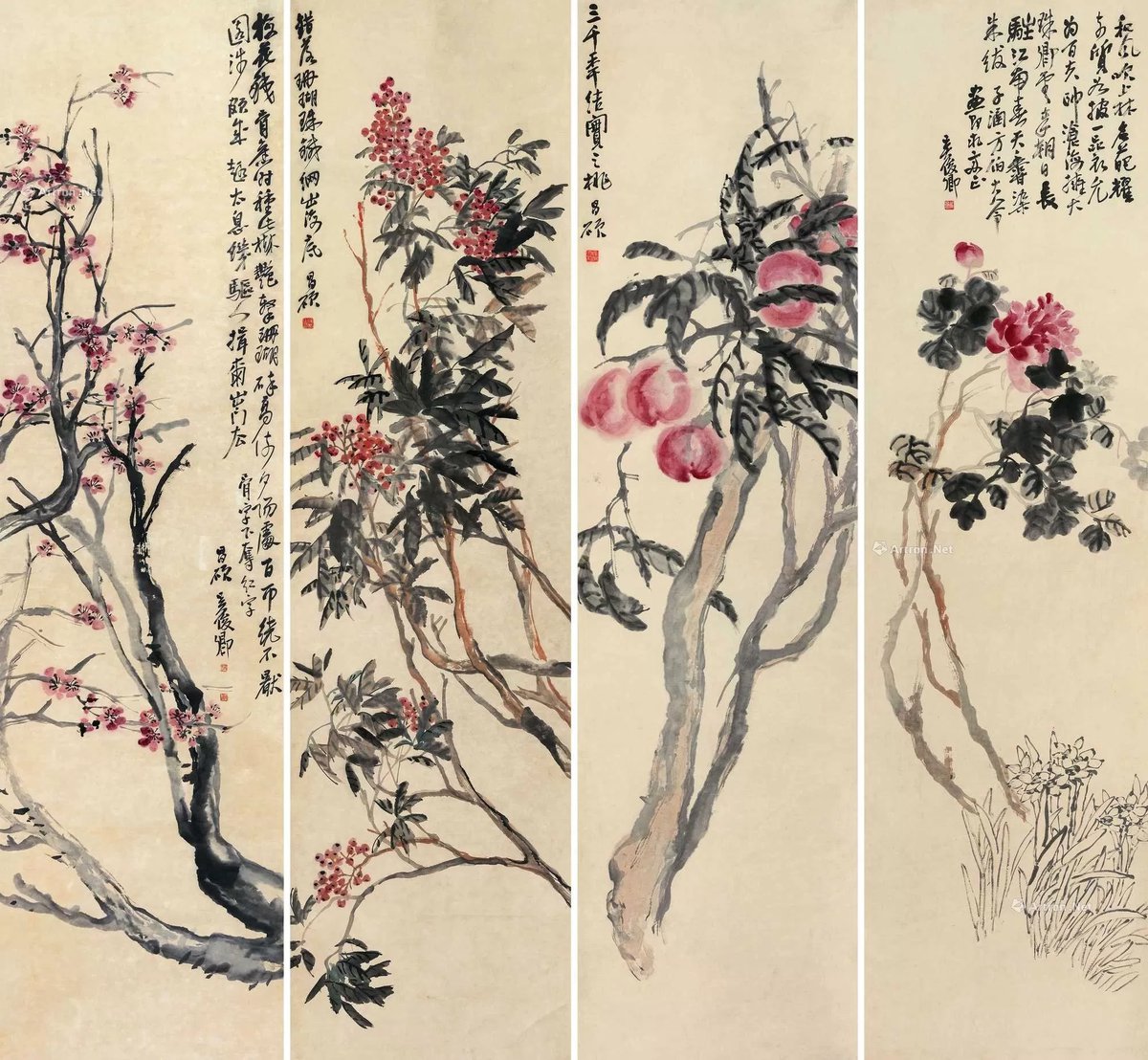
Choosing a Chinese name with flower meanings connects you to centuries of poetic symbolism. Each flower tells a story—plum blossoms blooming through snow represent unbreakable spirit, orchids growing in hidden valleys symbolize humble elegance, and lotus flowers rising pure from muddy water embody spiritual transcendence.
Chinese parents have woven flower names into their children's identities for thousands of years, expressing hopes for character, beauty, and a meaningful life.
Classic Single-Character Flower Names
These timeless characters carry the weight of classical poetry, ancient philosophy, and centuries of cultural meaning.
梅 (Méi) - Plum Blossom
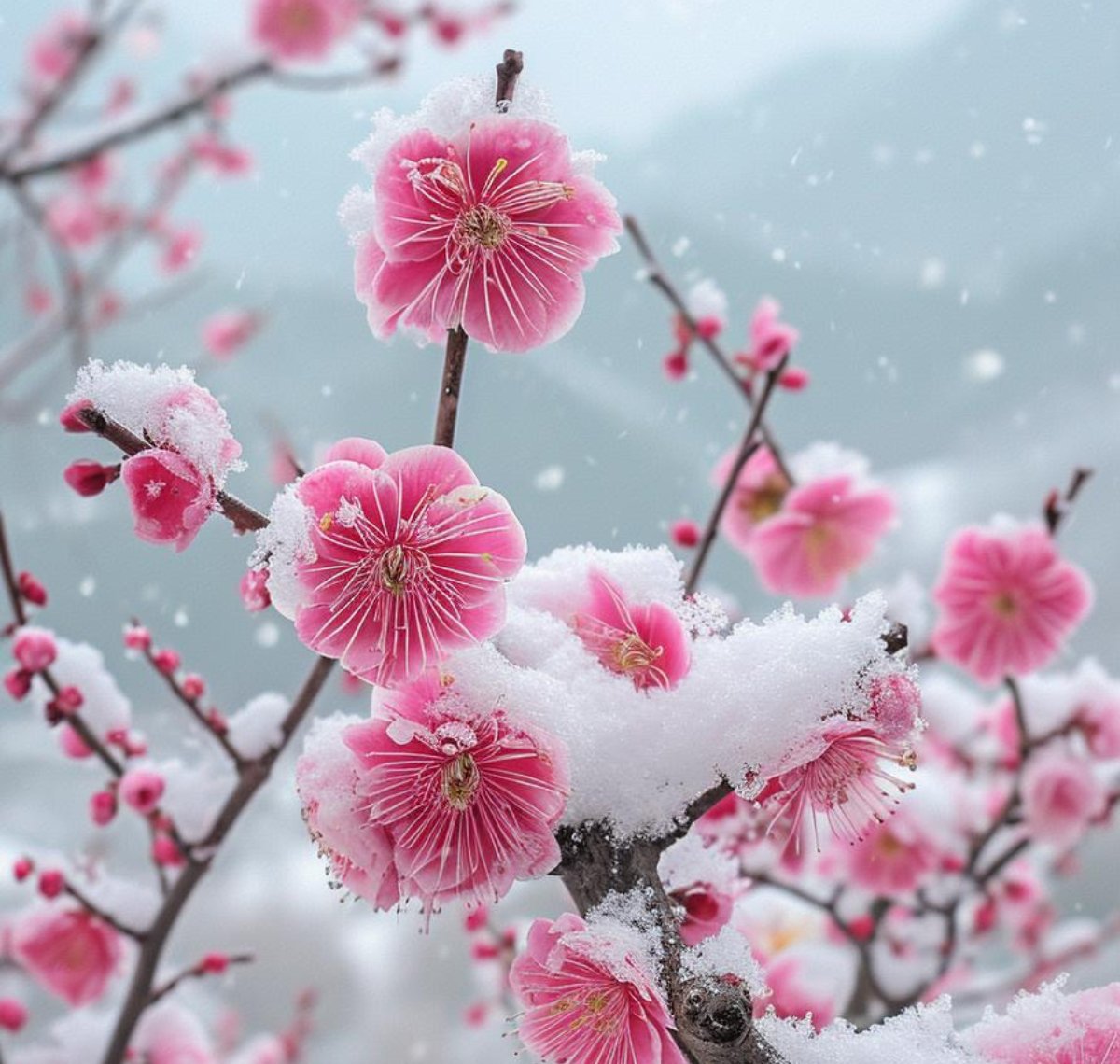
Plum blossoms are the first flowers to bloom in late winter, breaking through snow and ice when all other plants lie dormant. Five delicate petals emerge on bare branches, often while snow still falls. This makes 梅 (méi) the ultimate symbol of resilience, courage, and the strength to thrive when conditions are harshest.
Cultural depth: One of the "Four Gentlemen" (四君子, sì jūnzǐ) in Chinese art—flowers representing noble character traits scholars aspired to embody. Poets throughout dynasties wrote verses comparing virtuous people to plum blossoms that bloom beautifully despite winter's cruelty.
Beautiful combinations with layered meanings:
- 雪梅 (Xuěméi) - "Snow Plum" - Evokes the breathtaking image of pink and white blossoms against freshly fallen snow. The name captures beauty that persists through life's coldest moments, representing someone whose gentle spirit remains unbroken by hardship.
- 晓梅 (Xiǎoméi) - "Dawn Plum" - Captures the magical moment when first light touches plum blossoms after a long winter night. Symbolizes hope, awakening, and the promise of warmth after darkness—a name for someone who brings light to others.
- 诗梅 (Shīméi) - "Poetry Plum" - References the thousands of classical poems written about plum blossoms. This name suggests someone with an artistic soul, literary elegance, and appreciation for beauty in unexpected places.
- 傲梅 (Àoméi) - "Proud Plum" - Celebrates the plum blossom's refusal to wait for comfortable spring. The character 傲 (ào) means proud or unbending—perfect for someone with fierce independence and uncompromising integrity.
- 寒梅 (Hánméi) - "Winter Plum" / "Cold Plum" - Emphasizes blooming in bitter cold (寒, hán). A powerful name suggesting someone who not only survives difficulty but becomes more beautiful because of it.
Full names with common surnames:
- 王雪梅 (Wáng Xuěméi)
- 李晓梅 (Lǐ Xiǎoméi)
- 张诗梅 (Zhāng Shīméi)
- 刘傲梅 (Liú Àoméi)
兰/蘭 (Lán) - Orchid
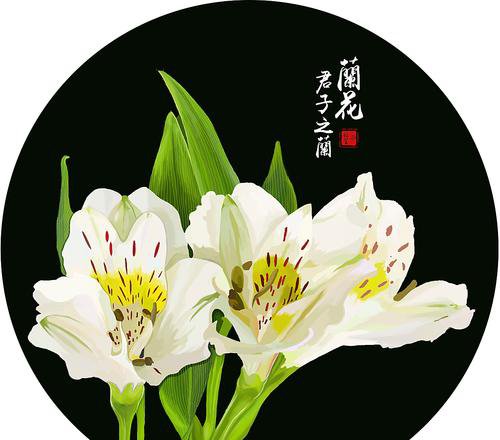
Wild orchids grow in remote mountain valleys, far from human eyes, spreading delicate fragrance where no one may ever notice. Ancient scholars admired this quality—blooming beautifully not for praise or recognition, but simply because that's their nature. The character 兰 (lán) represents true elegance, refinement without showing off, and inner cultivation that doesn't need external validation.
Philosophical meaning: Confucius compared virtuous friendship to the fragrance of orchids—subtle, long-lasting, and quietly transformative. The orchid became a symbol of scholarly gentlemen who cultivated themselves in obscurity rather than seeking fame.
Exquisite combinations:
- 晓兰 (Xiǎolán) - "Morning Orchid" - Pictures an orchid discovered at dawn in a hidden valley, its fragrance mingling with morning mist. The name suggests quiet grace, someone whose elegance is most apparent in private, unguarded moments.
- 秀兰 (Xiùlán) - "Elegant Orchid" - The character 秀 (xiù) means refined and outstanding. Together with orchid, it emphasizes natural sophistication—beauty that comes from within rather than adornment.
- 静兰 (Jìnglán) - "Quiet Orchid" - Captures the orchid's serene existence in remote places. The character 静 (jìng) means peaceful and still. This name suits someone with a calm, contemplative nature who finds strength in tranquility.
- 紫兰 (Zǐlán) - "Purple Orchid" - Purple (紫, zǐ) was the color of nobility in ancient China, worn only by high officials. Purple orchids are rare and precious, making this a name suggesting exceptional quality and distinction.
- 若兰 (Ruòlán) - "Like an Orchid" - The character 若 (ruò) means "like" or "resembling." This poetic construction suggests someone who embodies orchid-like qualities: graceful, fragrant presence that improves any space they occupy.
- 幽兰 (Yōulán) - "Secluded Orchid" - The character 幽 (yōu) evokes hidden, mysterious beauty in deep valleys. A literary name suggesting depth of character that reveals itself slowly, like discovering a hidden orchid.
Full names with surnames:
- 刘晓兰 (Liú Xiǎolán)
- 陈静兰 (Chén Jìnglán)
- 林若兰 (Lín Ruòlán)
- 赵秀兰 (Zhào Xiùlán)
莲/蓮 (Lián) - Lotus
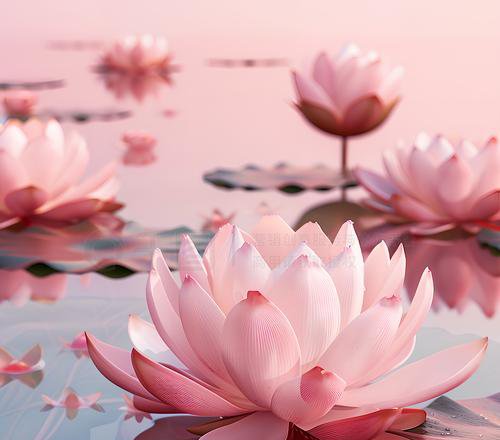
The lotus performs a daily miracle: its roots anchor in muddy pond bottoms, the stem pushes through murky water, and the flower emerges into sunlight absolutely clean, water beading off its petals without leaving any trace of the mud below. This makes 莲 (lián) the most powerful symbol of spiritual purity—the ability to remain untainted by worldly corruption while still living fully in the world.
Buddhist symbolism: Buddhism adopted the lotus as its most sacred flower. Buddha is often depicted sitting on a lotus throne. The flower represents enlightenment, the journey from darkness (mud) through struggle (water) to awakening (blooming in light). Naming a child 莲 expresses hope they'll maintain pure hearts despite life's challenges.
Poetic combinations:
- 雪莲 (Xuělián) - "Snow Lotus" - References the rare snow lotus that grows at extreme altitudes in the Himalayas, blooming where few plants survive. The name suggests extraordinary purity, resilience in harsh conditions, and precious rarity.
- 玉莲 (Yùlián) - "Jade Lotus" - Jade (玉, yù) represents virtue, beauty, and preciousness in Chinese culture. Combined with lotus, it creates an image of flawless purity, someone whose character is as valuable and unblemished as fine jade.
- 梦莲 (Mènglián) - "Dream Lotus" - Evokes lotus flowers seen in meditation or dreams—ethereal, perfect, transcendent. The character 梦 (mèng) adds a layer of idealism and spiritual aspiration to the grounded lotus symbolism.
- 怡莲 (Yílián) - "Joyful Lotus" - The character 怡 (yí) means pleasant joy and contentment. This name suggests someone who maintains inner peace and happiness, like a lotus blooming serenely regardless of conditions.
- 诗莲 (Shīlián) - "Poetry Lotus" - Lotus flowers appear constantly in classical Chinese and Buddhist poetry. This name suits someone with artistic sensibility and appreciation for beauty's deeper meanings.
Full names:
- 林雪莲 (Lín Xuělián)
- 黄玉莲 (Huáng Yùlián)
- 周梦莲 (Zhōu Mènglián)
- 陈怡莲 (Chén Yílián)
荷 (Hé) - Lotus/Water Lily
While 莲 (lián) emphasizes the lotus flower itself, 荷 (hé) encompasses the entire plant—the broad leaves that shelter fish, the strong stem that bends but doesn't break in wind, and the flower emerging above. The character 荷 also means "to carry" or "to shoulder," suggesting strength and responsibility along with beauty.
Literary associations: Classical poets loved describing lotus leaves (荷叶, héyè) holding morning dew like pearls, and the sound of rain on broad lotus leaves. The name carries both visual beauty and gentle, natural music.
Graceful combinations:
- 碧荷 (Bìhé) - "Jade-Green Lotus" - The character 碧 (bì) describes the deep green of jade or clear water. This name evokes the lush green of lotus leaves spreading across a pond, representing vitality, growth, and natural abundance.
- 晓荷 (Xiǎohé) - "Morning Lotus" - Captures the moment when dawn light touches lotus flowers just opening, dew still glistening on petals. The image suggests freshness, new beginnings, and the quiet beauty of early morning.
- 晴荷 (Qínghé) - "Clear Sky Lotus" - The character 晴 (qíng) means sunny, clear weather. This name paints a picture of lotus flowers under bright blue skies, representing optimism, clarity, and joy.
- 依荷 (Yīhé) - "Leaning on Lotus" - The character 依 (yī) means to rely on or nestle against. Poetically suggests the gentle way small creatures find shelter among lotus leaves, creating an image of nurturing grace.
Full names:
- 沈碧荷 (Shěn Bìhé)
- 韩晓荷 (Hán Xiǎohé)
- 梁晴荷 (Liáng Qínghé)
桃 (Táo) - Peach Blossom
Peach blossoms burst into life every spring with clouds of pink flowers that transform entire hillsides. Ancient poets constantly compared beautiful women to peach blossoms—delicate pink petals, sweet fragrance, and the promise of fruit to come. The character 桃 (táo) represents youthful beauty, romance, spring's renewal, and the fleeting precious nature of youth itself.
Cultural context: "Peach Blossom Face" (桃花面, táohuā miàn) became a classical compliment for a woman's rosy complexion. "Peach Blossom Luck" (桃花运, táohuā yùn) means romantic fortune. The symbolism is overwhelmingly feminine, sweet, and associated with love.
Sweet combinations:
- 春桃 (Chūntáo) - "Spring Peach" - Perfectly redundant since peach blossoms define spring, but that's the point—pure concentrated essence of springtime youth, renewal, and beauty. The name suggests someone who brings spring wherever they go.
- 婉桃 (Wǎntáo) - "Graceful Peach" - The character 婉 (wǎn) means gentle, tactful grace. Combined with peach blossom, it emphasizes refined femininity—beauty with elegance and propriety.
- 小桃 (Xiǎotáo) - "Little Peach" - Diminutive and endearing, suggesting youth, cuteness, and affection. The character 小 (xiǎo) creates a warm, approachable feeling—often used in nicknames.
- 桃夭 (Táoyāo) - "Peach Blooming" - From the classical poetry collection Shijing (诗经, Shījīng): "桃之夭夭" (táo zhī yāoyāo) describing peach blossoms in glorious bloom. A deeply literary name celebrating radiant beauty and the perfect moment of blossoming youth.
Full names:
- 冯春桃 (Féng Chūntáo)
- 于婉桃 (Yú Wǎntáo)
- 彭小桃 (Péng Xiǎotáo)
樱/櫻 (Yīng) - Cherry Blossom
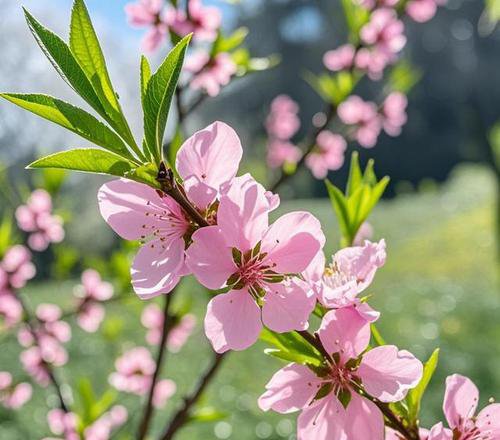
Cherry blossoms bloom spectacularly for just one or two weeks before petals fall like snow. This brief, intense beauty makes 樱 (yīng) symbolize the preciousness of fleeting moments, living fully in the present, and appreciating beauty precisely because it doesn't last forever. The falling petals create one of nature's most poetic sights—perfect beauty in impermanence.
Modern appeal: Cherry blossoms feel contemporary and international (thanks to Japanese cultural influence) while still being authentically Chinese. The name sounds fresh, youthful, and romantic without feeling old-fashioned.
Delicate combinations:
- 樱子 (Yīngzǐ) - "Cherry Child" - The suffix 子 (zǐ) creates an affectionate, youthful feeling. Common in Japanese names too, giving it a soft, international charm while remaining properly Chinese.
- 小樱 (Xiǎoyīng) - "Little Cherry Blossom" - Emphasizes delicacy and youth. The diminutive 小 (xiǎo) creates warmth and approachability—someone whose beauty is sweet rather than intimidating.
- 樱雪 (Yīngxuě) - "Cherry Snow" - Captures the magical sight of cherry petals falling like snow, or late cherry blossoms blooming during an unexpected spring snowfall. Poetically beautiful and visually striking.
- 晨樱 (Chényīng) - "Morning Cherry Blossom" - Dawn light on cherry blossoms creates an ethereal pink glow. This name suggests gentle beauty, hope, and the quiet magic of early morning.
Full names:
- 袁樱子 (Yuán Yīngzǐ)
- 曹小樱 (Cáo Xiǎoyīng)
- 邓樱雪 (Dèng Yīngxuě)
茉莉 (Mòlì) - Jasmine
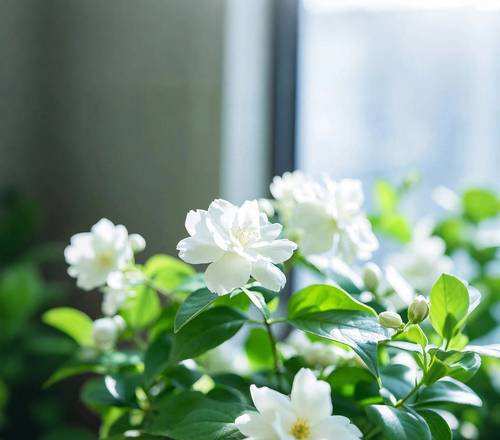
Jasmine flowers are small, white, and unassuming to look at—but their fragrance is intoxicating, spreading far beyond the plant itself. A single jasmine vine can perfume an entire courtyard. The name 茉莉 (mòlì) represents sweetness, purity, and the idea that true beauty doesn't need to be showy—sometimes the most powerful presence is subtle and fragrant.
Everyday poetry: Jasmine tea (茉莉花茶, mòlìhuā chá) is one of China's most beloved beverages, making the flower part of daily life rather than just special occasions. The name feels both poetic and accessible, elegant yet warm.
Note: 茉莉 almost always works as a complete two-character first name since 茉 (mò) rarely stands alone.
Full names with surnames:
- 陈茉莉 (Chén Mòlì)
- 林茉莉 (Lín Mòlì)
- 王茉莉 (Wáng Mòlì)
- 张茉莉 (Zhāng Mòlì)
- 李茉莉 (Lǐ Mòlì)
- 刘茉莉 (Liú Mòlì)
Modern Flower-Related Characters (Trending Beautiful Options)
These characters feel contemporary while carrying deep meaning. Young parents in the 2010s-2020s gravitate toward these elegant choices.
蕾 (Lěi) - Flower Bud
A flower bud holds all the promise of blooming beauty, tightly wrapped and waiting for the right moment. The character 蕾 (lěi) captures potential, anticipation, and the moment before full flowering—sometimes even more precious than the bloom itself. It represents a child's future unfolding, all their possibilities still protected and nurturing within.
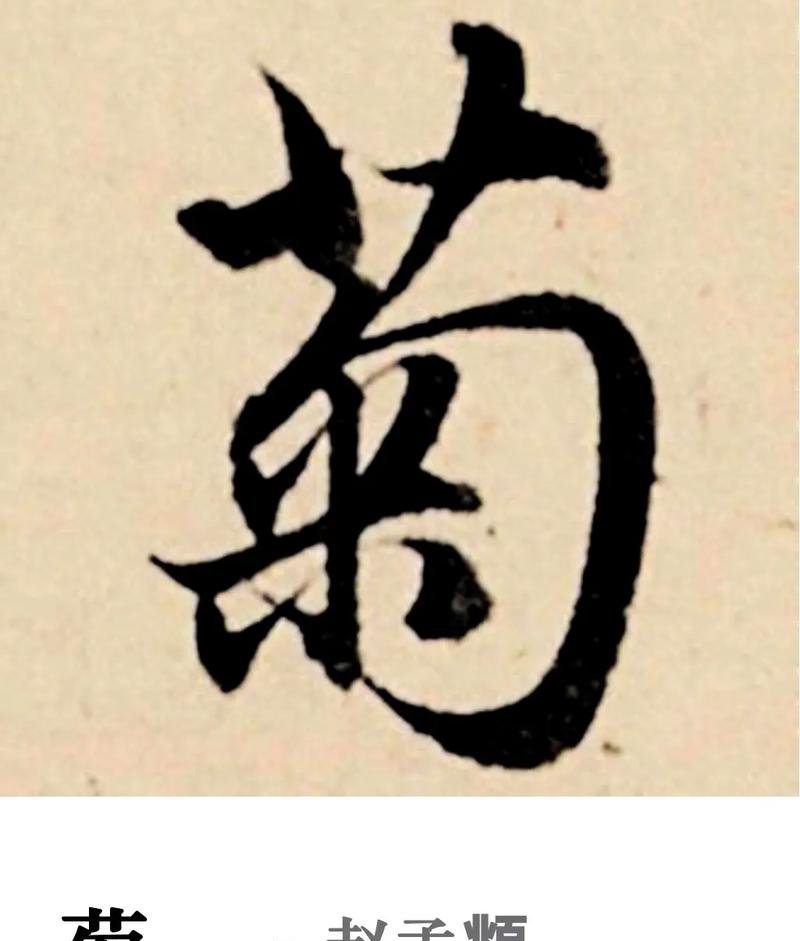
Why parents love it: It's forward-looking rather than nostalgic, modern without being trendy, and the sound is soft and musical. The character looks beautiful written, with the "grass" radical (艹) on top suggesting natural growth.
Exquisite combinations:
- 心蕾 (Xīnlěi) - "Heart Bud" - Suggests an emotional nature about to bloom, someone whose capacity for love and feeling is still developing. The character 心 (xīn, heart) adds emotional depth to the floral imagery.
- 诗蕾 (Shīlěi) - "Poetry Bud" - Combines artistic sensibility (诗, shī, poetry) with budding beauty. Perfect for someone you hope will develop creative talents and appreciation for beauty.
- 欣蕾 (Xīnlěi) - "Joyful Bud" - The character 欣 (xīn) means joyful, happy, thriving. Together they suggest a child blooming with happiness, finding joy in growth itself.
- 梦蕾 (Mènglěi) - "Dream Bud" - Ethereal and idealistic, combining dreams (梦, mèng) with potential. The name suggests someone whose aspirations are beautiful and still forming.
- 伊蕾 (Yīlěi) - The character 伊 (yī) is literary and elegant, often used in classical poetry. Creates a sophisticated, gentle sound when paired with 蕾.
- 慕蕾 (Mùlěi) - "Admired Bud" - The character 慕 (mù) means to admire, long for, or be attracted to. Together they create an image of budding beauty that draws admiration.
Full names:
- 林心蕾 (Lín Xīnlěi) - Actress Kelly Lin's real name
- 苏诗蕾 (Sū Shīlěi)
- 陈欣蕾 (Chén Xīnlěi)
- 周梦蕾 (Zhōu Mènglěi)
蕊 (Ruǐ) - Stamen/Pistil
The stamen and pistil are a flower's reproductive organs—the very heart and essence that creates seeds and fruit. While 蕾 (lěi) is the bud, 蕊 (ruǐ) is the secret center of an opened flower, often golden or vividly colored, delicate beyond measure. The character represents essence, the most vital and precious core, intimacy and inner beauty that only reveals itself when you look closely.
Poetic depth: Classical poets used 蕊 to describe the innermost parts of flowers where fragrance is strongest. It's a deeply feminine character suggesting both delicacy and the essential life force.
Refined combinations:
- 芯蕊 (Xīnruǐ) - "Core Pistil" - Doubling down on the "center" meaning since 芯 (xīn) also means core or heart. Creates an image of essential, concentrated beauty at the very center of being.
- 若蕊 (Ruòruǐ) - "Like a Pistil" - The character 若 (ruò, like/as) creates poetic comparison. Suggests someone who embodies the delicacy and essential nature of a flower's heart.
- 婉蕊 (Wǎnruǐ) - "Graceful Pistil" - Combines tactful grace (婉, wǎn) with delicate flower essence. The name suggests refined femininity and gentle strength.
- 思蕊 (Sīruǐ) - "Thoughtful Pistil" - The character 思 (sī) means thought, contemplation. Together they suggest someone with deep inner life, whose essential nature is thoughtful and reflective.
- 语蕊 (Yǔruǐ) - "Eloquent Pistil" - The character 语 (yǔ) relates to speech and expression. Creates a beautiful image of someone whose words are as delicate and essential as a flower's heart.
- 梦蕊 (Mèngruǐ) - "Dream Pistil" - Combines dreams with the flower's essence, creating ethereal, idealistic imagery—beauty that seems almost too delicate to be real.
Full names:
- 王芯蕊 (Wáng Xīnruǐ)
- 李若蕊 (Lǐ Ruòruǐ)
- 张婉蕊 (Zhāng Wǎnruǐ)
- 陈思蕊 (Chén Sīruǐ)
薇 (Wēi) - Wild Rose/Osmanthus Fern
薇 (wēi) refers to several plants including wild roses and osmanthus ferns that grow in mountains and countryside—beautiful but unpretentious, fragrant but not showy. The character appears in ancient poetry as a symbol of reclusive scholars living simply in nature. It represents natural elegance without artifice, beauty that doesn't seek attention but captivates those who notice.
Classical reference: The poem "采薇" (Cǎi Wēi, "Picking Osmanthus Ferns") from the Shijing (诗经, Shījīng) describes soldiers returning home, creating associations with longing, homecoming, and simple natural beauty that comforts the heart.
Elegant combinations:
- 紫薇 (Zǐwēi) - "Purple Rose" - Also refers to crape myrtle flowers. Purple (紫, zǐ) was the color of nobility in ancient China. This name became hugely popular after the character 紫薇 in the TV series 还珠格格 (Huánzhū Gégé, "My Fair Princess")—representing both noble birth and gentle character.
- 采薇 (Cǎiwēi) - "Picking Ferns" - Directly from classical poetry. Literary and sophisticated, suggesting someone with cultural depth and appreciation for ancient wisdom. The act of "picking" (采, cǎi) adds gentle activity to the natural imagery.
- 雨薇 (Yǔwēi) - "Rain Rose" - Wild roses after rain, petals glistening with water drops. The character 雨 (yǔ, rain) adds freshness and natural nourishment—beauty enhanced by nature's blessing.
- 梦薇 (Mèngwēi) - "Dream Rose" - Combines dreams (梦, mèng) with wild rose beauty. Suggests idealistic nature, someone who sees beauty in simple things and dreams of natural harmony.
- 诗薇 (Shīwēi) - "Poetry Rose" - Links poetry (诗, shī) with wild rose, emphasizing the literary associations. Perfect for someone you hope will appreciate both nature and artistic expression.
- 晓薇 (Xiǎowēi) - "Dawn Rose" - Wild roses discovered at daybreak, covered in morning dew. The character 晓 (xiǎo, dawn) suggests new beginnings and gentle awakening.
Full names:
- 赵薇 (Zhào Wēi) - Famous actress Vicki Zhao Wei
- 刘紫薇 (Liú Zǐwēi)
- 杨雨薇 (Yáng Yǔwēi)
- 陈梦薇 (Chén Mèngwēi)
萱 (Xuān) - Day Lily
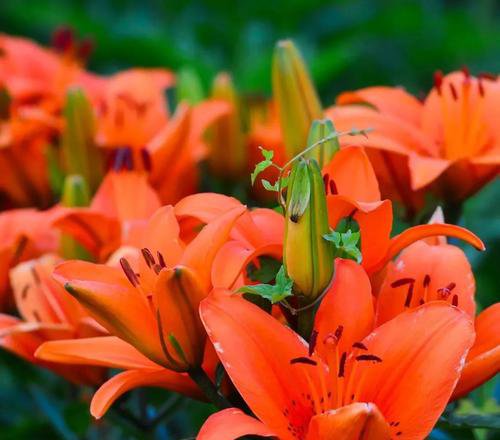
Day lilies have a special meaning in Chinese culture—they're called 忘忧草 (wàngyōu cǎo, "forget-worries grass") because ancient people believed seeing these bright orange-yellow flowers would make you forget your troubles. The character 萱 (xuān) also represents maternal love, as 萱草 (xuāncǎo, day lily) symbolizes mothers. It's the Chinese equivalent of carnations for Mother's Day.
Emotional depth: Naming a daughter 萱 expresses hope that she'll bring joy that dissolves worries, and that she'll grow into a nurturing person who comforts others. The flower blooms cheerfully even in ordinary gardens, representing accessible beauty and everyday happiness.
Warm combinations:
- 紫萱 (Zǐxuān) - "Purple Day Lily" - Became incredibly popular in the 2000s-2010s. Purple (紫, zǐ) adds nobility to the warm, comforting day lily symbolism. The name balances elegance with approachability.
- 依萱 (Yīxuān) - "Relying on Day Lily" - The character 依 (yī) means to depend on, lean on, or nestle against. Creates an image of finding comfort and support, like the way day lilies comfort those who see them.
- 语萱 (Yǔxuān) - "Eloquent Day Lily" - Combines speech/expression (语, yǔ) with forget-worries flower. Suggests someone whose words bring comfort and whose presence dispels anxiety.
- 梦萱 (Mèngxuān) - "Dream Day Lily" - Dreams (梦, mèng) of a garden where worries disappear. Idealistic and gentle, suggesting someone who creates peaceful, happy spaces.
- 雨萱 (Yǔxuān) - "Rain Day Lily" - Day lilies after rain, their bright petals even more vivid when wet. Rain (雨, yǔ) adds freshness and the blessing of natural nourishment.
- 诗萱 (Shīxuān) - "Poetry Day Lily" - Links poetry (诗, shī) with the comfort-bringing flower. Suggests artistic nature combined with the ability to bring peace to others.
Full names:
- 陈紫萱 (Chén Zǐxuān)
- 林依萱 (Lín Yīxuān)
- 黄雨萱 (Huáng Yǔxuān)
- 王语萱 (Wáng Yǔxuān)
芷 (Zhǐ) - Angelica
Angelica is a fragrant herb that grows near water, its white flowers and aromatic roots used in traditional medicine and perfumes. The character 芷 (zhǐ) appears constantly in classical poetry, often paired with 兰 (lán, orchid) to describe layered fragrances and refined beauty. It represents subtle elegance, healing presence, and the kind of beauty that appeals to refined senses rather than just sight.
Literary pedigree: The famous poet Qu Yuan (屈原, Qū Yuán) wrote about 沅芷澧兰 (yuán zhǐ lǐ lán)—angelica from the Yuan River and orchids from the Li River—using fragrant plants as metaphors for virtue and noble character.
Sophisticated combinations:
- 芷若 (Zhǐruò) - "Angelica-like" - The character 若 (ruò) means "like" or "as if." This poetic construction became famous through the character 周芷若 (Zhōu Zhǐruò) in Jin Yong's martial arts novels—representing someone who seems gentle and fragrant as angelica but possesses hidden depths.
- 芷言 (Zhǐyán) - "Angelica Words" - Combines the fragrant herb with speech (言, yán). Suggests someone whose words are like fragrance—subtle, pleasant, and leaving lasting impressions.
- 芷宁 (Zhǐníng) - "Peaceful Angelica" - The character 宁 (níng) means peaceful, tranquil. Together they create an image of serene fragrance, calming presence that brings peace to others.
- 芷晴 (Zhǐqíng) - "Clear Sky Angelica" - Angelica under sunny skies (晴, qíng means clear/sunny). The name suggests clarity, optimism, and beauty that thrives in favorable conditions.
- 芷柔 (Zhǐróu) - "Gentle Angelica" - Emphasizes the soft, yielding nature (柔, róu means gentle/soft). Creates an image of delicate fragrance and tender character.
Full names:
- 周芷若 (Zhōu Zhǐruò) - Famous fictional character
- 王芷言 (Wáng Zhǐyán)
- 李芷晴 (Lǐ Zhǐqíng)
- 张芷宁 (Zhāng Zhǐníng)
芸 (Yún) - Rue
Rue is a fragrant herb that ancient Chinese scholars placed in their libraries because its scent repelled bookworms and insects. The character 芸 (yún) became associated with books, learning, and scholarly pursuits. 芸芸众生 (yúnyún zhòngshēng) means "all living beings," showing the character's additional meaning of abundance and multitude. The name suggests someone both learned and humble, protective of knowledge like rue protects books.
Scholarly elegance: The sound is gentle and flowing, the meaning carries intellectual depth without being pretentious. It's a name for someone you hope will love learning and books.
Refined combinations:
- 芸汐 (Yúnxī) - "Rue Tide" - The character 汐 (xī) means evening tide. Creates a beautiful image of natural rhythms and gentle movement, scholarly nature flowing like water.
- 芸溪 (Yúnxī) - "Rue Stream" - A brook or stream (溪, xī) through an herb garden. Suggests knowledge flowing naturally, gentle continuous movement toward wisdom.
- 芸曦 (Yúnxī) - "Rue Sunlight" - The character 曦 (xī) means morning sunlight or first rays of dawn. Together they suggest knowledge illuminated, wisdom emerging into light.
- 雨芸 (Yǔyún) - "Rain Rue" - Rain (雨, yǔ) nourishing the fragrant herb. Suggests someone whose knowledge grows through life's experiences, absorbing wisdom naturally.
- 诗芸 (Shīyún) - "Poetry Rue" - Combines poetry (诗, shī) with the scholarly herb. Perfect for someone you hope will love both literature and learning.
Full names:
- 林芸汐 (Lín Yúnxī)
- 陈雨芸 (Chén Yǔyún)
- 王诗芸 (Wáng Shīyún)
蔷 (Qiáng) - Rambling Rose
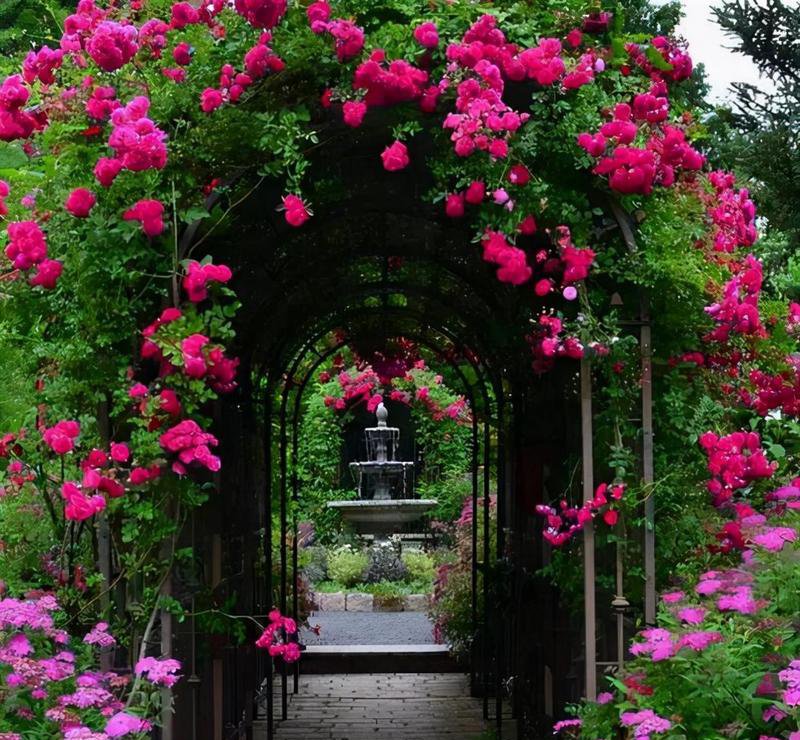
蔷薇 (qiángwēi) refers to wild rambling roses that climb over walls and fences, blooming in profusion with small, delicate flowers. Unlike cultivated roses, they grow freely and naturally. The character 蔷 (qiáng) represents untamed beauty, natural abundance, and the kind of loveliness that doesn't need human cultivation—it simply flourishes on its own.
Romantic associations: Rambling roses appear in love poetry as symbols of passionate but natural romance, beauty that can't be constrained or controlled.
Combinations:
- 蔷薇 (Qiángwēi) - "Rambling Rose" - Usually used as a complete two-character first name. Represents wild, free-spirited beauty and natural romantic nature.
- 晓蔷 (Xiǎoqiáng) - "Dawn Rambling Rose" - Morning light on wild roses climbing a garden wall. Dawn (晓, xiǎo) adds freshness and new beginnings to the untamed rose imagery.
- 梦蔷 (Mèngqiáng) - "Dream Rambling Rose" - Wild roses in dreams (梦, mèng). Ethereal and romantic, suggesting idealistic nature and dreams of natural freedom.
- 诗蔷 (Shīqiáng) - "Poetry Rambling Rose" - Links poetry (诗, shī) with wild roses. Suggests artistic soul who finds beauty in untamed nature.
Full names:
- 宋蔷薇 (Sòng Qiángwēi)
- 江晓蔷 (Jiāng Xiǎoqiáng)
- 周梦蔷 (Zhōu Mèngqiáng)
Additional Beautiful Flower Characters
牡丹 (Mǔdān) - Peony
Peonies are called the "King of Flowers" (花王, huā wáng) in China—large, lush, magnificently layered petals in vibrant colors. The name 牡丹 (mǔdān) symbolizes wealth, honor, prosperity, and feminine beauty at its most opulent. Unlike modest orchids or pure lotuses, peonies represent abundance and the full flowering of fortune.
Imperial associations: Peonies were the favorite flower of Chinese empresses and decorated palace gardens. The name carries aristocratic elegance and prosperity wishes.
Full names:
- 李牡丹 (Lǐ Mǔdān)
- 赵牡丹 (Zhào Mǔdān)
- 周牡丹 (Zhōu Mǔdān)
芙蓉 (Fúróng) - Hibiscus/Lotus
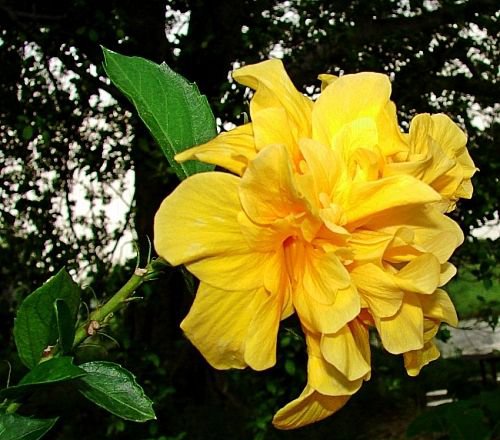
芙蓉 (fúróng) can refer to either hibiscus or lotus, depending on context. 木芙蓉 (mù fúróng) is hibiscus; 水芙蓉 (shuǐ fúróng) is lotus. The name appears constantly in classical poetry describing feminine beauty—"出水芙蓉" (chūshuǐ fúróng, "lotus emerging from water") became a classic compliment meaning natural, unadorned beauty.
Poetic richness: The sound is flowing and literary, the meaning carries layers of classical associations. It's a sophisticated choice suggesting natural elegance without artifice.
Full names:
- 江芙蓉 (Jiāng Fúróng)
- 宋芙蓉 (Sòng Fúróng)
- 董芙蓉 (Dǒng Fúróng)
- 邱芙蓉 (Qiū Fúróng)
桂 (Guì) - Osmanthus
Osmanthus flowers are tiny—almost insignificant to look at—but in autumn when they bloom, their sweet fragrance fills entire neighborhoods. You smell them before you see them. The character 桂 (guì) represents honor, refinement, and the idea that true value isn't always visible. "蟾宫折桂" (chángōng zhé guì, "plucking osmanthus in the moon palace") became a metaphor for achieving the highest scholarly honors.
Autumn associations: Osmanthus blooms during Mid-Autumn Festival, linking the name to family reunions, moon gazing, and harvest abundance. The fragrance is made into osmanthus wine, tea, and pastries—part of daily cultural life.
Combinations:
- 金桂 (Jīnguì) - "Golden Osmanthus" - The golden variety has the strongest fragrance. Gold (金, jīn) adds prosperity symbolism.
- 丹桂 (Dānguì) - "Crimson Osmanthus" - The rarer orange-red variety. Crimson (丹, dān) suggests precious rarity.
- 秋桂 (Qiūguì) - "Autumn Osmanthus" - Emphasizes the seasonal connection with autumn (秋, qiū).
Full names:
- 陆金桂 (Lù Jīnguì)
- 叶丹桂 (Yè Dānguì)
- 常秋桂 (Cháng Qiūguì)
杏 (Xìng) - Apricot Blossom
Apricot blossoms bloom in early spring with delicate white and pink petals, followed by sweet golden fruit. The character 杏 (xìng) represents the transformation from fleeting beauty (blossoms) to lasting sweetness (fruit)—symbolizing beauty with substance, loveliness that produces value.
Medical associations: "杏林" (xìng lín, "apricot grove") is a classical term for the medical profession, as legendary physician Dong Feng planted apricots instead of accepting payment. The name carries healing, generosity connotations.
Combinations:
- 杏儿 (Xìng'ér) - "Little Apricot" - Sweet and endearing with the diminutive 儿 (ér).
- 杏花 (Xìnghuā) - "Apricot Blossom" - Emphasizes the flower (花, huā) specifically.
Full names:
- 顾杏儿 (Gù Xìng'ér)
- 武杏林 (Wǔ Xìnglín)
- 贺杏花 (Hè Xìnghuā)
玉兰 (Yùlán) - Magnolia
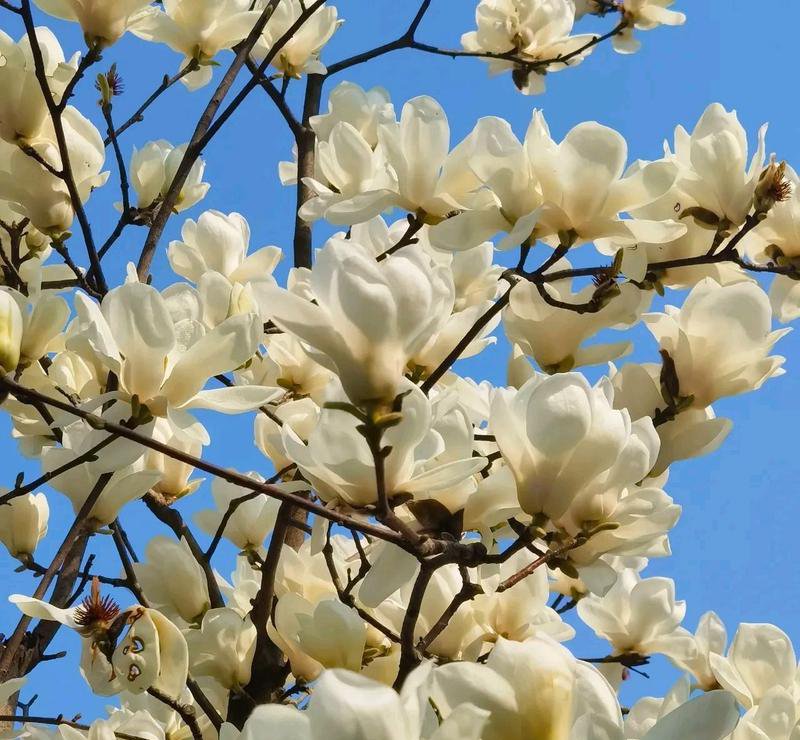
Magnolias bloom in early spring before leaves appear—pure white flowers on bare branches like jade carvings. The name 玉兰 (yùlán) literally means "jade orchid," combining the preciousness of jade (玉, yù) with the elegance of orchids (兰, lán). It represents purity, nobility, and the courage to bloom first when spring is still uncertain.
Visual poetry: White magnolia petals against blue spring sky create one of nature's most elegant sights—simple, pure, breathtaking.
Full names:
- 苏玉兰 (Sū Yùlán)
- 廖玉兰 (Liào Yùlán)
- 方玉兰 (Fāng Yùlán)
Celebrity Flower Names (Real Examples That Inspire)
These famous people carry flower names that shaped their public image and cultural impact:
- 林心蕾 (Lín Xīnlěi) - Kelly Lin, Taiwan-Hong Kong actress and supermodel. Her name means "Heart Bud"—perfectly capturing her elegant yet warm public persona. The modern character 蕾 (lěi, bud) helped popularize this choice for a new generation.
- 梅艳芳 (Méi Yànfāng) - Anita Mui (1963-2003), legendary Cantopop diva. "Plum + Gorgeous + Fragrant"—her name embodied the resilience (梅, méi, plum) and spectacular beauty (艳, yàn, gorgeous) that defined her career. The name became iconic, inseparable from her legacy.
- 赵薇 (Zhào Wēi) - Vicki Zhao Wei, mega-star actress, director, and businesswoman. The single character 薇 (wēi, wild rose) is simple yet memorable—suggesting natural beauty without pretension, which matches her girl-next-door-turned-powerhouse image.
- 刘亦菲 (Liú Yìfēi) - Crystal Liu, who played Disney's Mulan. While 菲 (fēi) means fragrant and luxuriant (flower-adjacent), her name "Also Fragrant" suggests understated elegance—beauty that doesn't announce itself loudly.
- 杨紫 (Yáng Zǐ) - Popular actress. Though 紫 (zǐ, purple) isn't a flower itself, it frequently pairs with flower names like 紫薇 (zǐwēi), 紫萱 (zǐxuān), giving her name floral associations and the nobility purple represents.
- 舒淇 (Shū Qí) - Shu Qi, acclaimed actress. The character 淇 (qí) can mean a type of water plant, connecting to nature-inspired naming traditions.
Observation: Modern A-list celebrities tend toward subtle flower references (薇, 菲, 蕾) rather than obvious flower-plus-flower combinations. The trend shifted from literal (梅花 méihuā, 荷花 héhuā) to literary and minimalist.
Flower Names by Season (Matching Birth Time)
Aligning your child's name with their birth season adds meaningful connection to the natural cycle.
Spring Flowers (春花, Chūnhuā) - March to May
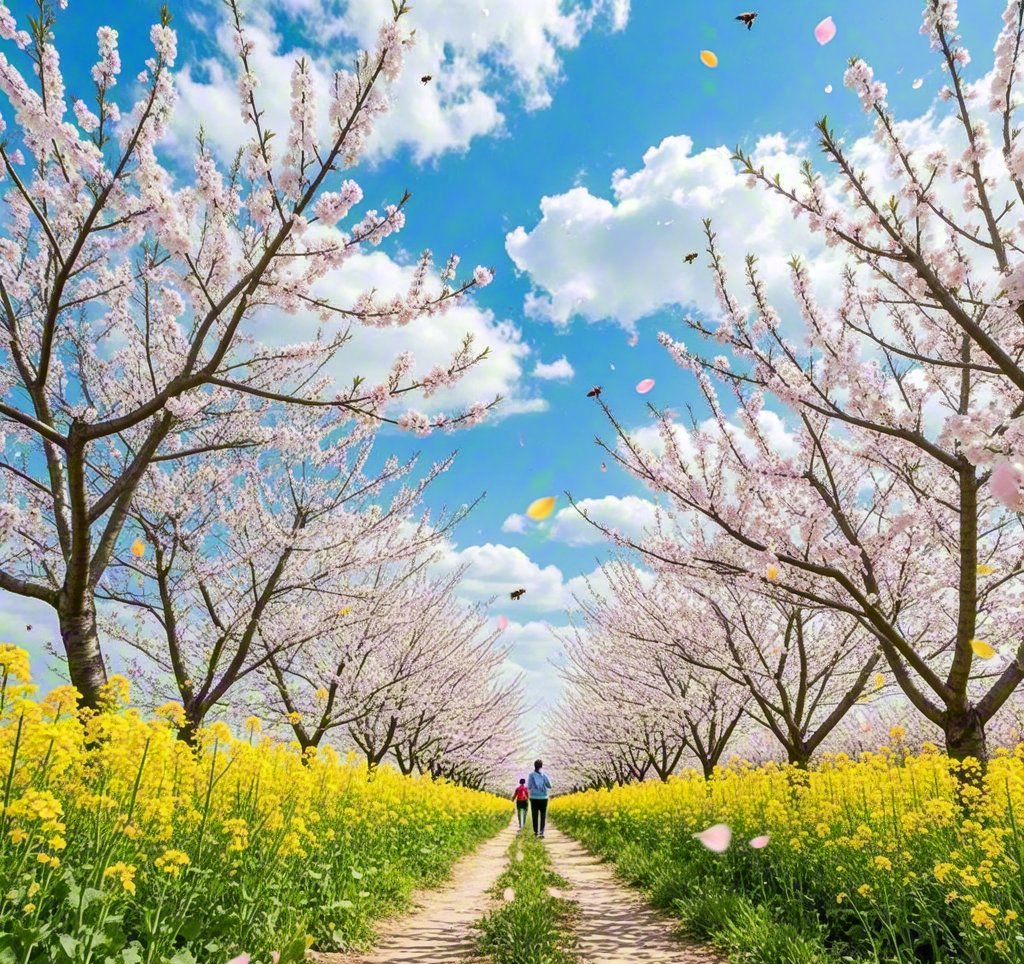
桃 (Táo) - Peach Blossom blooms March-April, painting hillsides pink and announcing spring's arrival.
- 何春桃 (Hé Chūntáo) - "Spring Peach"
- 胡婉桃 (Hú Wǎntáo) - "Graceful Peach"
- 冯桃夭 (Féng Táoyāo) - Classical "Blooming Peach"
樱 (Yīng) - Cherry Blossom blooms March-May in clouds of pink and white.
- 秦樱子 (Qín Yīngzǐ)
- 徐晨樱 (Xú Chényīng) - "Morning Cherry"
- 曹樱雪 (Cáo Yīngxuě) - "Cherry Snow"
杏 (Xìng) - Apricot Blossom blooms early March-April.
- 顾杏儿 (Gù Xìng'ér)
- 武杏林 (Wǔ Xìnglín) - "Apricot Grove"
玉兰 (Yùlán) - Magnolia blooms early spring before leaves emerge.
- 苏玉兰 (Sū Yùlán)
- 方玉兰 (Fāng Yùlán)
Summer Flowers (夏花, Xiàhuā) - June to August
莲/荷 (Lián/Hé) - Lotus blooms June-September, the queen of summer.
- 任夏莲 (Rén Xiàlián) - "Summer Lotus"
- 钱碧荷 (Qián Bìhé) - "Jade-Green Lotus"
- 孔晓荷 (Kǒng Xiǎohé) - "Morning Lotus"
茉莉 (Mòlì) - Jasmine blooms May-August with intoxicating fragrance.
- 余茉莉 (Yú Mòlì)
- 梁茉莉 (Liáng Mòlì)
Autumn Flowers (秋花, Qiūhuā) - September to November
桂 (Guì) - Osmanthus blooms September-October, filling autumn air with sweetness.
- 陆金桂 (Lù Jīnguì) - "Golden Osmanthus"
- 叶丹桂 (Yè Dānguì) - "Crimson Osmanthus"
- 常秋桂 (Cháng Qiūguì) - "Autumn Osmanthus"
菊 (Jú) - Chrysanthemum blooms September-November, the classic autumn flower.
- 宋秋菊 (Sòng Qiūjú) - "Autumn Chrysanthemum"
- 孙金菊 (Sūn Jīnjú) - "Golden Chrysanthemum"
Winter Flowers (冬花, Dōnghuā) - December to February
梅 (Méi) - Plum Blossom blooms December-February, the ultimate winter warrior.
- 尹冬梅 (Yǐn Dōngméi) - "Winter Plum"
- 魏寒梅 (Wèi Hánméi) - "Cold Plum"
- 石傲梅 (Shí Àoméi) - "Proud Plum"
- 薛雪梅 (Xuē Xuěméi) - "Snow Plum"
How to Create Your Own Unique Flower Name
Want something truly special? Here's how Chinese parents actually build names with depth and beauty.
Step 1: Choose Your Flower Character Thoughtfully
Pick based on meaning that resonates, not just sound. Consider what qualities you hope to invoke:
For resilience and strength:
- 梅 (Méi) - Plum, endures winter
- 蔷 (Qiáng) - Wild rose, grows freely
For elegance and refinement:
- 兰 (Lán) - Orchid, subtle grace
- 芷 (Zhǐ) - Angelica, literary elegance
For purity and spirituality:
- 莲 (Lián) - Lotus, untainted by mud
- 荷 (Hé) - Lotus, carries responsibility
For youthful beauty:
- 樱 (Yīng) - Cherry blossom, fleeting beauty
- 桃 (Táo) - Peach, springtime youth
For modern elegance:
- 蕾 (Lěi) - Bud, potential blooming
- 蕊 (Ruǐ) - Pistil, essential beauty
- 薇 (Wēi) - Wild rose, natural grace
- 萱 (Xuān) - Day lily, forget worries
Step 2: Add a Complementary Character for Depth
The second character should enhance the flower's symbolism and create poetry together.
Season words (时节, shíjié):
- 春 (Chūn) - spring, renewal, youth
- 夏 (Xià) - summer, vitality, abundance
- 秋 (Qiū) - autumn, maturity, harvest
- 冬 (Dōng) - winter, endurance, rest
Nature elements (自然, zìrán):
- 雪 (Xuě) - snow, purity, rarity
- 雨 (Yǔ) - rain, nourishment, blessing
- 云 (Yún) - cloud, ethereal, free
- 月 (Yuè) - moon, gentle light, romance
- 霜 (Shuāng) - frost, resilience, clarity
- 露 (Lù) - dew, freshness, precious drops
Time of day (时间, shíjiān):
- 晓 (Xiǎo) - dawn, awakening, hope
- 晨 (Chén) - morning, fresh start
- 暮 (Mù) - dusk, contemplative beauty
Quality descriptors (品质, pǐnzhì):
- 玉 (Yù) - jade, preciousness, virtue
- 诗 (Shī) - poetry, artistic soul
- 梦 (Mèng) - dream, idealism, aspiration
- 芳 (Fāng) - fragrant, good reputation
- 婉 (Wǎn) - graceful, tactful, gentle
- 静 (Jìng) - quiet, peaceful, contemplative
- 怡 (Yí) - joyful, content, harmonious
- 若 (Ruò) - like/as, poetic comparison
- 依 (Yī) - rely on, nestle, tender
Color words (颜色, yánsè):
- 紫 (Zǐ) - purple, nobility, distinction
- 碧 (Bì) - jade green, vibrant life
- 丹 (Dān) - crimson, precious, rare
- 金 (Jīn) - gold, prosperity, value
Step 3: Test the Sound and Flow
Chinese naming pays attention to tonal music. Say the full name (surname + first name) out loud twenty times.
Tonal harmony: Chinese has four tones plus neutral. The best names mix tones to create melody:
- 王 (Wáng, 2nd) + 雪 (Xuě, 3rd) + 梅 (Méi, 2nd) = 2-3-2 pattern, rises and falls pleasantly
- 李 (Lǐ, 3rd) + 晓 (Xiǎo, 3rd) + 兰 (Lán, 2nd) = 3-3-2 pattern, resolves upward
- 张 (Zhāng, 1st) + 诗 (Shī, 1st) + 蕾 (Lěi, 3rd) = 1-1-3 pattern, descends gently
Avoid all same tones if possible—it sounds monotonous.
Step 4: Check for Unintended Meanings
This is crucial. Some beautiful character combinations create awkward homophones or unfortunate associations.
Red flags to avoid:
- Names that sound like illnesses when spoken
- Combinations that rhyme with bad luck phrases
- Homophones with embarrassing words
- Check in both Mandarin AND your regional dialect (Cantonese, Hokkien, etc.)
Example: 范桶 (Fàn Tǒng) sounds exactly like 饭桶 (fàntǒng, "rice bucket" = useless person). Beautiful characters, terrible combination.
Creative Unique Combinations to Try
Mix and match these for original names:
- 忆莲 (Yìlián) - "Remember Lotus" - nostalgia and purity
- 沐蕾 (Mùlěi) - "Bathed in Buds" - nourished by potential
- 念薇 (Niànwēi) - "Think of Roses" - romantic remembrance
- 璟萱 (Jǐngxuān) - "Bright Day Lily" - radiant joy
- 舒蕊 (Shūruǐ) - "Comfortable Essence" - natural ease
- 涵莲 (Hánlián) - "Contain Lotus" - inner purity
- 熙蕾 (Xīlěi) - "Bright Bud" - radiant potential
- 瑾萱 (Jǐnxuān) - "Precious Day Lily" - valuable joy
- 晗樱 (Hányīng) - "Dawn Cherry Blossom"
- 宛蕾 (Wǎnlěi) - "Gentle Bud"
Modern Trends vs Traditional Choices
What's Trending Now (2020s)
- 蕾 (Lěi), 蕊 (Ruǐ) - Bud and pistil imagery feels fresh and modern
- 薇 (Wēi), 萱 (Xuān) - Still hugely popular, not yet oversaturated
- Literary references - Names from classical poetry like 芷若 (Zhǐruò), 采薇 (Cǎiwēi)
- Minimalist single characters - Just 兰 (Lán) or 莲 (Lián) alone, elegant simplicity
- Rare literary characters - 芷 (Zhǐ), 芸 (Yún) for cultured uniqueness
- Two-character with 梓 (Zǐ) - 梓蕾 (Zǐlěi), 梓萱 (Zǐxuān) extremely popular (perhaps too popular)
What Feels Old-Fashioned Now
- 菊 (Jú) - Chrysanthemum - Strongly associated with grandmothers' generation
- Literal double-flower names - 梅花 (Méihuā), 桂花 (Guìhuā), 荷花 (Héhuā) sound rural or dated
- 桃红 (Táohóng) - "Peach Red" too direct and old-fashioned
- 翠花 (Cuìhuā) - Stereotypical country name, now often used in jokes
- Common -花 (huā) endings - Adding 花 (flower) feels redundant to modern sensibilities
Gender Considerations in Flower Names
Reality check: 95% of flower names are feminine in Chinese culture.
For boys, these options work:
- 梅 (Méi) paired with masculine characters - 梅松 (Méisōng, "Plum Pine")
- Skip flowers entirely, use trees - 松 (Sōng, pine), 柏 (Bǎi, cypress), 竹 (Zhú, bamboo)
- Use landscape elements - 峰 (Fēng, peak), 岳 (Yuè, mountain), 江 (Jiāng, river), 川 (Chuān, river)
Honest advice: If you want a boy's name with nature vibes, trees and mountains read more masculine than flowers in Chinese cultural context.
Practical Naming Wisdom
Absolutely Do This:
- ✅ Say the full name (with surname) out loud 30 times in different contexts
- ✅ Ask multiple native Chinese speakers if it sounds natural and flows well
- ✅ Write it out in characters - does it look balanced and aesthetically pleasing?
- ✅ Google the exact full name - does anyone infamous already have it?
- ✅ Consider common nicknames - what will friends and family call them?
- ✅ Test both simplified (简体, jiǎntǐ) and traditional (繁体, fántǐ) character forms
- ✅ Think about how it will look on official documents, business cards, social media
- ✅ Imagine your child introducing themselves at age 5, 25, and 55 - does it work at all ages?
Absolutely Don't Do This:
- ❌ Pick based solely on how pretty the English translation sounds
- ❌ Ignore tonal combinations - they massively affect how pleasant it sounds
- ❌ Use ultra-rare characters that most Chinese people can't recognize or type
- ❌ Follow trends blindly - super popular characters like 梓 (Zǐ) will date the name
- ❌ Forget your child will say and write this name thousands of times - make it easy
- ❌ Choose characters just because they look cool without understanding deep meanings
- ❌ Ignore family and regional dialect pronunciation - test it thoroughly
The "Restaurant Test" for Name Viability
Imagine your child needs to shout their name across a crowded, noisy restaurant to get attention.
Does the name:
- Sound clear and distinct even with background noise?
- Not get confused with common food items or everyday words?
- Feel natural to call out loudly in public?
- Work for both a small child and a business professional?
If you hesitate on any of these, reconsider the name.
Complete Flower Name Reference Chart
| Character | Pinyin | Flower Type | Core Symbolism | Best Pairing Style | Current Popularity |
|---|---|---|---|---|---|
| 梅 | Méi | Plum blossom | Resilience, winter strength | Season/weather words | Classic, timeless |
| 兰 | Lán | Orchid | Elegance, refinement | Quality descriptors | Always popular |
| 莲 | Lián | Lotus | Purity, enlightenment | Nature/precious words | Consistently used |
| 荷 | Hé | Lotus | Grace, responsibility | Time/color words | Moderate usage |
| 桃 | Táo | Peach blossom | Youth, romance | Season/gentle words | Traditional choice |
| 樱 | Yīng | Cherry blossom | Fleeting beauty | Time/weather words | Modern favorite |
| 茉莉 | Mòlì | Jasmine | Sweetness, subtle beauty | Usually standalone | Moderate, accessible |
| 蕾 | Lěi | Flower bud | Potential, promise | Emotion/quality words | Trending strongly |
| 蕊 | Ruǐ | Pistil/stamen | Essence, delicacy | Quality/poetic words | Very trendy |
| 薇 | Wēi | Wild rose | Natural elegance | Nature/color words | Extremely popular |
| 萱 | Xuān | Day lily | Forget worries, maternal love | Color/emotion words | Very popular |
| 芷 | Zhǐ | Angelica | Fragrance, virtue | Poetic/quality words | Literary choice |
| 芸 | Yún | Rue | Scholarly, gentle | Nature/flow words | Moderate, cultured |
| 蔷 | Qiáng | Rambling rose | Wild beauty, freedom | Often 蔷薇 together | Less common, romantic |
| 桂 | Guì | Osmanthus | Honor, hidden fragrance | Color/season words | Traditional, autumn |
| 菊 | Jú | Chrysanthemum | Nobility, longevity | Season/color words | Old-fashioned now |
| 牡丹 | Mǔdān | Peony | Wealth, prosperity | Usually standalone | Traditional, bold |
| 芙蓉 | Fúróng | Hibiscus/lotus | Natural beauty | Usually standalone | Literary, classical |
Final Thoughts on Choosing Flower Names
Flower names in Chinese carry more than surface beauty—they're vessels of hope, poetry, and cultural wisdom accumulated over thousands of years. When you choose 梅 (méi), you're invoking plum blossoms that brave winter storms. When you pick 莲 (lián), you're expressing faith that your child will remain pure despite worldly challenges. When you select 蕾 (lěi), you're celebrating potential waiting to bloom.
The best flower name isn't the most exotic or literary—it's the one that flows naturally with your surname, carries meaning that genuinely resonates with your hopes, and won't make your child uncomfortable at any age.
Modern favorites like 蕾 (Lěi), 薇 (Wēi), and 萱 (Xuān) feel contemporary without being trendy. Timeless classics like 梅 (Méi), 兰 (Lán), and 莲 (Lián) never go out of style. Literary choices like 芷 (Zhǐ) and 芸 (Yún) appeal to those who love classical culture.
Take your time. Say it out loud in different situations. Write it in characters. Test it with people of different ages. Imagine your child introducing themselves at job interviews, on first dates, at parent-teacher conferences. The name should feel right in all these contexts.
And remember: you're not just picking pretty sounds. You're giving someone a piece of poetry they'll carry their entire life—a constant reminder of the beauty and meaning you saw in them from the very beginning.