Ancient Chinese Names: Dynasty Examples, Meanings, and How to Make Your Own
If you searched “ancient Chinese names,” you probably want names that feel like they came out of Han–Tang–Song history, not a modern baby-name list. The trick is simple: ancient China had naming layers, and once you know the layers, the names stop feeling random.
Also, don’t panic when one historical figure seems to have multiple “names.” That’s normal—people could have a given name, a courtesy name, an art name, and rulers might be referred to by temple names or era names.
How Ancient Chinese Names Worked (The Useful Version)
1) Basic structure: surname first
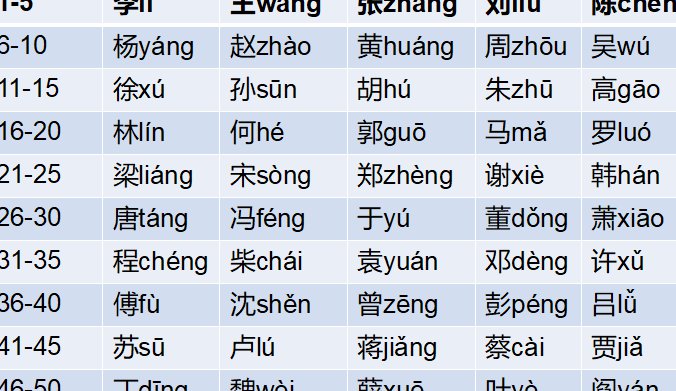
Most of the time it’s Surname + Given name. Surnames are usually one character, while given names are often one or two characters.
2) The “extra name” system: míng, zì, hào
Míng (名) is the given name you’re born with. Zì (字) is a courtesy name used in adulthood (especially in formal contexts), and hào (号) is more like a chosen pen name or artistic alias.
3) Why emperors look like they have five identities
Rulers can be discussed by personal names, but also by temple names (used for ancestor worship and later historical reference) or era names (reign mottos used to label years). That’s why you’ll see “Hongwu” or “Yongle” everywhere when people talk about Ming emperors.
How to Read the Tables
The “frequency” column below isn’t a modern baby-name statistic. It’s a quick signal for how typical that pattern was in that dynasty (one-character vs two-character given names, compound surnames, phrase-like names, and so on).
Han Dynasty (206 BCE–220 CE): short names, strong characters
Han-era personal names often feel compact and direct. One-character given names show up constantly, while two-character given names exist but feel more “special” or phrase-like.
| Role | Name (Chinese) | Pinyin | Meaning (given name) | Pattern frequency in Han |
|---|---|---|---|---|
| Emperor | 刘邦 | Liú Bāng | 邦 = state / nation | Very common (1-char) |
| Empress | 吕雉 | Lǚ Zhì | 雉 = pheasant | Very common (1-char) |
| Emperor | 刘彻 | Liú Chè | 彻 = thorough / penetrating | Very common (1-char) |
| Historian | 司马迁 | Sīmǎ Qiān | 迁 = move / shift | Rarer (compound surname) |
| Envoy | 张骞 | Zhāng Qiān | 骞 = rise / lift | Very common (1-char) |
| Official / inventor | 蔡伦 | Cài Lún | 伦 = order / relations | Very common (1-char) |
| Female scholar | 班昭 | Bān Zhāo | 昭 = bright / clear | Very common (1-char) |
| Scholar | 董仲舒 | Dǒng Zhòngshū | 仲 = second; 舒 = ease | Less common (2-char) |
| General | 霍去病 | Huò Qùbìng | 去病 = “drive away illness” | Memorable (phrase-like) |
| Female poet | 卓文君 | Zhuó Wénjūn | 文 = cultured; 君 = noble | Less common (2-char) |
| Courtesan / legend | 赵飞燕 | Zhào Fēiyàn | 飞燕 = “flying swallow” | Elegant (2-char) |
| Beauty / legend | 王昭君 | Wáng Zhāojūn | 昭 = bright; 君 = noble | Elegant (2-char) |
Three Kingdoms (220–280): sharp, iconic, easy to remember
This era is famous for short, punchy names. One-character given names dominate, and compound surnames stand out hard (in a good way).
| Role | Name (Chinese) | Pinyin | Meaning (given name) | Pattern frequency in era |
|---|---|---|---|---|
| Warlord | 曹操 | Cáo Cāo | 操 = conduct / grasp | Very common (1-char) |
| Ruler | 刘备 | Liú Bèi | 备 = prepare / provide | Very common (1-char) |
| Ruler | 孙权 | Sūn Quán | 权 = authority / power | Very common (1-char) |
| Emperor | 曹丕 | Cáo Pī | 丕 = great | Very common (1-char) |
| Strategist | 诸葛亮 | Zhūgě Liàng | 亮 = bright | Rarer (compound surname) |
| Strategist | 司马懿 | Sīmǎ Yì | 懿 = admirable / virtuous | Rarer (compound surname) |
| General | 关羽 | Guān Yǔ | 羽 = feather | Very common (1-char) |
| General | 张飞 | Zhāng Fēi | 飞 = fly | Very common (1-char) |
| General | 赵云 | Zhào Yún | 云 = cloud | Very common (1-char) |
| Female poet | 蔡琰 | Cài Yǎn | 琰 = glowing jade | Very common (1-char) |
| Female figure | 黄月英 | Huáng Yuèyīng | 月 = moon; 英 = outstanding | Less common (2-char) |
| Legendary beauty | 貂蝉 | Diāochán | 貂/蝉 = sable/cicada (stage-name vibe) | Stylized / literary |
Tang Dynasty (618–907): two-character names feel “default”
Tang names often sound lyrical because two-character given names are everywhere. If you want an ancient name that still feels smooth to modern readers, Tang is a safe bet.
| Role | Name (Chinese) | Pinyin | Meaning (given name) | Pattern frequency in Tang |
|---|---|---|---|---|
| Emperor | 李世民 | Lǐ Shìmín | 世 = world; 民 = people | Common (2-char) |
| Female emperor | 武则天 | Wǔ Zétiān | 则 = rule; 天 = heaven | Common (2-char) |
| Consort | 杨玉环 | Yáng Yùhuán | 玉 = jade; 环 = ring | Common (2-char) |
| Poet | 李白 | Lǐ Bái | 白 = white / pure | Still common (1-char) |
| Poet | 杜甫 | Dù Fǔ | 甫 = man/elder (classical) | Still common (1-char) |
| Poet | 王维 | Wáng Wéi | 维 = hold together / maintain | Still common (1-char) |
| Poet | 白居易 | Bái Jūyì | 居 = dwell; 易 = easy/change | Common (2-char) |
| Chancellor | 张九龄 | Zhāng Jiǔlíng | 九 = nine; 龄 = age | Common (2-char) |
| Female court poet | 上官婉儿 | Shàngguān Wǎn’ér | 婉 = graceful / gentle | Rarer (compound surname) |
| Calligrapher | 颜真卿 | Yán Zhēnqīng | 真 = true; 卿 = high official | Common (2-char) |
| Poet | 岑参 | Cén Shēn | 参 = ginseng / participate | Still common (1-char) |
| Poet | 孟浩然 | Mèng Hàorán | 浩 = vast; 然 = so/thus | Common (2-char) |
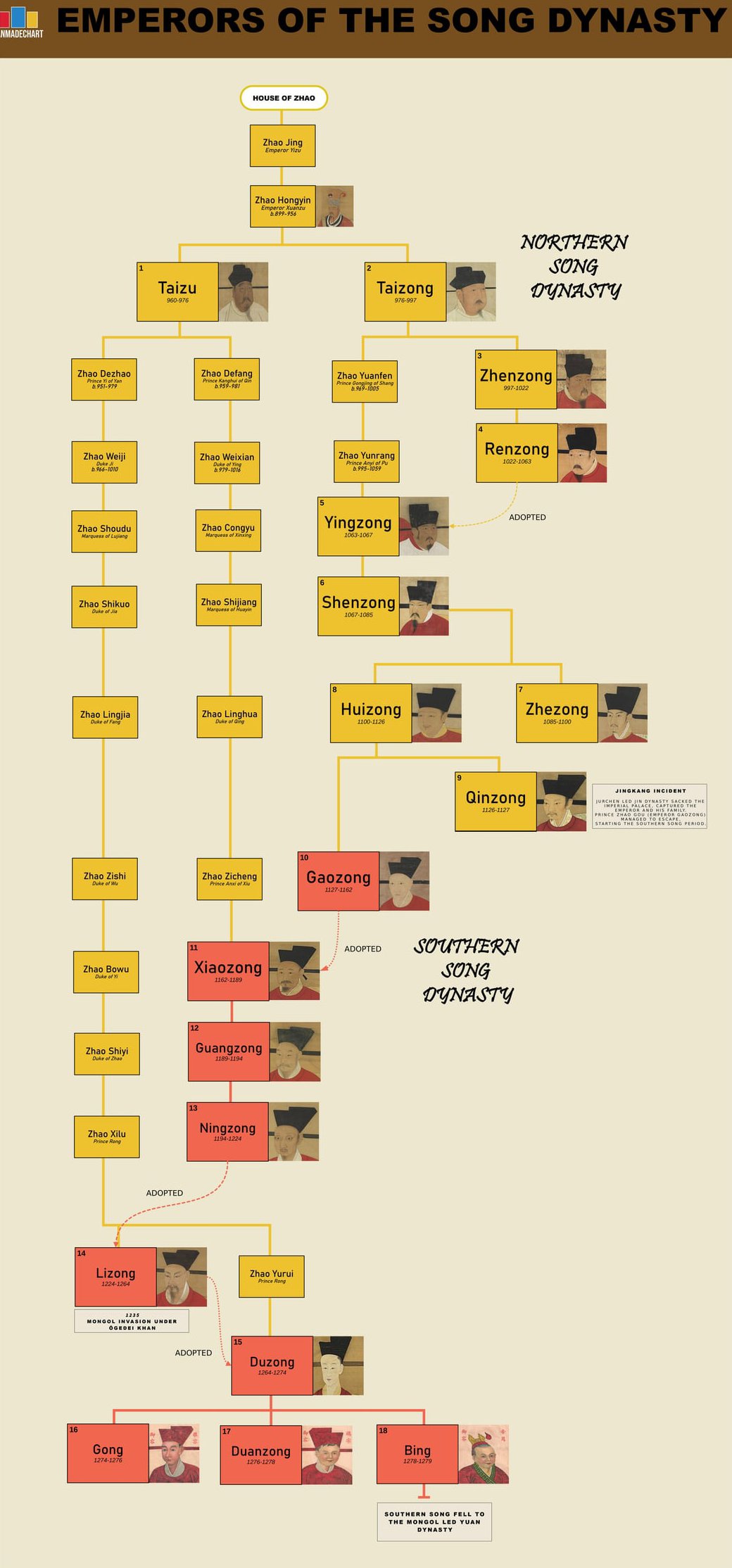
Song Dynasty (960–1279): scholar-core, clean and classy
Song names are great if you want “ancient” without the heavy drama. You’ll see tons of literati with two-character given names, plus a steady stream of one-character classics.
| Role | Name (Chinese) | Pinyin | Meaning (given name) | Pattern frequency in Song |
|---|---|---|---|---|
| Emperor | 赵匡胤 | Zhào Kuāngyìn | 匡 = support; 胤 = heir | Very common (2-char) |
| Writer | 苏轼 | Sū Shì | 轼 = carriage handrail | Common (1-char) |
| Writer | 欧阳修 | Ōuyáng Xiū | 修 = cultivate / repair | Rarer (compound surname) |
| Reformer | 王安石 | Wáng Ānshí | 安 = peace; 石 = stone | Very common (2-char) |
| Historian | 司马光 | Sīmǎ Guāng | 光 = light | Rarer (compound surname) |
| Official | 范仲淹 | Fàn Zhòngyān | 仲 = second; 淹 = immerse/abundant | Very common (2-char) |
| Philosopher | 朱熹 | Zhū Xī | 熹 = bright (classical) | Common (1-char) |
| Scientist | 沈括 | Shěn Kuò | 括 = include / summarize | Common (1-char) |
| General | 岳飞 | Yuè Fēi | 飞 = fly | Common (1-char) |
| Female poet | 李清照 | Lǐ Qīngzhào | 清 = clear; 照 = shine | Very common (2-char) |
| Scholar | 周敦颐 | Zhōu Dūnyí | 敦 = sincere; 颐 = nurture | Very common (2-char) |
| Poet | 辛弃疾 | Xīn Qìjí | 弃 = abandon; 疾 = illness/rapid | Very common (2-char) |
Ming Dynasty (1368–1644): reign titles everywhere, names feel “standardized”
Ming-era names often look like the modern “classic Chinese name” template: surname + two-character given name. Also, Ming emperors are commonly talked about through their era names, so you’ll hear those a lot in books and museums.
| Role | Name (Chinese) | Pinyin | Meaning (given name) | Pattern frequency in Ming |
|---|---|---|---|---|
| Emperor | 朱元璋 | Zhū Yuánzhāng | 元 = origin; 璋 = jade scepter | Very common (2-char) |
| Emperor | 朱棣 | Zhū Dì | 棣 = a tree name | Common (1-char exists) |
| Philosopher | 王守仁 | Wáng Shǒurén | 守 = keep; 仁 = benevolence | Very common (2-char) |
| Doctor / scholar | 李时珍 | Lǐ Shízhēn | 时 = time; 珍 = treasure | Very common (2-char) |
| Scientist / official | 徐光启 | Xú Guāngqǐ | 光 = light; 启 = awaken | Very common (2-char) |
| General | 戚继光 | Qī Jìguāng | 继 = continue; 光 = light | Very common (2-char) |
| Playwright | 汤显祖 | Tāng Xiǎnzǔ | 显 = illustrious; 祖 = ancestor | Very common (2-char) |
| Official | 海瑞 | Hǎi Ruì | 瑞 = auspicious | Common (1-char exists) |
| Painter | 董其昌 | Dǒng Qíchāng | 其 = that/his; 昌 = prosperous | Very common (2-char) |
| Female poet | 柳如是 | Liǔ Rúshì | 如 = like/as; 是 = right/this | Common (2-char) |
| Famous beauty | 陈圆圆 | Chén Yuányuán | 圆 = round/complete (redup.) | Stylized / stage-name vibe |
| Scholar | 杨慎 | Yáng Shèn | 慎 = cautious | Common (1-char exists) |
Make Your Own Ancient-Style Chinese Name (Quick Recipe)
Step 1: choose your “dynasty vibe”
- Han / Three Kingdoms: one-character given name feels most on-brand (clean, sharp).
- Tang / Song: two-character given name feels natural (balanced, poetic).
- Ming: two-character given name reads “standard,” and era-name references pop up everywhere for rulers.
Step 2: pick characters that rarely sound out of place
- Virtues: 仁 (rén), 德 (dé), 义 (yì), 信 (xìn)
- Light / clarity: 明 (míng), 清 (qīng), 昭 (zhāo), 光 (guāng)
- Peace / steadiness: 安 (ān), 宁 (níng), 定 (dìng), 平 (píng)
- Nature: 云 (yún), 山 (shān), 松 (sōng), 竹 (zhú), 岚 (lán)
Step 3: add a “generation character” if you want family-line realism
Some families used a shared generational character (字辈) so siblings and cousins of the same generation share one character. You don’t need it, but in historical fiction it instantly makes a name feel “rooted.”
Ready-to-Use Ancient-Style Name Ideas (With Pinyin + Meaning)
Han / Three Kingdoms-style (short, direct)
- 周宁 (Zhōu Níng) — calm / peaceful
- 林昭 (Lín Zhāo) — bright / clear
- 许安 (Xǔ Ān) — peace
- 顾云 (Gù Yún) — cloud
- 沈清 (Shěn Qīng) — clear / pure
- 唐光 (Táng Guāng) — light
Tang / Song-style (balanced, poetic)
Male-leaning
- 周明远 (Zhōu Míngyuǎn) — bright + far
- 林景安 (Lín Jǐng’ān) — scenery + peace
- 韩承德 (Hán Chéngdé) — carry on + virtue
- 许清和 (Xǔ Qīnghé) — clear + harmony
- 沈修竹 (Shěn Xiūzhú) — cultivated + bamboo
- 顾云舟 (Gù Yúnzhōu) — cloud + boat
- 陆怀瑾 (Lù Huáijǐn) — cherish + jade-like virtue
- 唐知礼 (Táng Zhīlǐ) — knowing + propriety
Female-leaning
- 苏婉清 (Sū Wǎnqīng) — graceful + clear
- 林月宁 (Lín Yuèníng) — moon + calm
- 周静姝 (Zhōu Jìngshū) — quiet + elegant lady
- 许玉衡 (Xǔ Yùhéng) — jade + balance
- 沈青岚 (Shěn Qīnglán) — blue-green + mountain mist
- 顾清瑶 (Gù Qīngyáo) — clear + precious jade
- 陆若棠 (Lù Ruòtáng) — like/as-if + crabapple blossom
- 唐思言 (Táng Sīyán) — reflection + words
Unisex (works almost anywhere)
- 安之 (Ān Zhī) — peace + this
- 知远 (Zhīyuǎn) — know + far
- 明川 (Míngchuān) — bright + river
- 清言 (Qīngyán) — clear + speech
- 云深 (Yúnshēn) — cloud + deep
- 昭然 (Zhāorán) — plainly bright / evident
Fast Drafting (If You Don’t Want to Hand-Mix Characters)
Honestly, the hardest part is pairing characters so they look natural together and don’t accidentally read weird. If you want a quick set of options to remix, this chinese name generator works well as a starting board—generate, swap a character or two, then keep the ones that feel right.
FAQ: Quick Answers to Common Questions
Why is the surname first in Chinese names?
It puts family identity up front, which matches the older “lineage-first” social mindset. Practically, it’s also just the standard writing order for Chinese personal names.
What’s the difference between míng (名) and zì (字)?
Míng is the given name. Zì is a courtesy name used in adulthood, often used by peers in formal settings instead of calling you by your given name.
What is hào (号)? Do I need it?
Hào is a self-chosen art name—like a pen name. You don’t need it, but if you’re building a historical character, giving them a hào adds instant “real person” texture.
Why do some women show up as “Zhang shì (张氏)” in records?
In many contexts, 氏 (shì) functions like “of the Zhang family,” not a personal given name. That’s why older immigration records sometimes list women as “Shee/Shi” and it looks like everyone had the same name.
Can I use an emperor’s personal name for my character?
You can, but historically people avoided using an emperor’s personal name (naming taboo), especially in writing. If you want authenticity, pick a name that wouldn’t clash with a ruler in your story’s timeframe.
Do Chinese names have middle names?
Not in the Western sense. A two-character given name can look like “first + middle,” but it’s simply one given name made of two characters.
Should I include tones in pinyin?
If it’s for a story or a username, most people skip tones. If it’s for learning or pronunciation, tones help a lot because they change meaning.