75 Chinese Names That Mean Dragon (Powerful + Actually Usable)
In Chinese culture, the dragon isn’t a villain—it’s the VIP. It’s tied to rain, power, and “good things are coming” energy, which is why dragon symbolism shows up everywhere from festivals to baby names .
And yes, people take it seriously: in many dragon years, researchers have measured noticeable birth spikes in Chinese communities—often in the high single digits . That’s the kind of cultural weight a single creature can carry.
Quick naming reality check (so you don’t pick a cool name that breaks in real life)
- Think in full name order: Chinese names are usually surname + 1–2 character given name. Say it out loud with the surname you plan to use.
- Test the passport version: tone marks usually disappear (e.g., “Chén” becomes “Chen”). Make sure it still looks clean and doesn’t turn into an accidental word.
- Don’t overcomplicate the character: rare, high-stroke characters can be gorgeous, but they can also be misread or mistyped on forms .
Pronunciation cheat sheet (for non-Chinese speakers)
- 龙 (lóng) — sounds like “long” but with a clearer “oh” (closer to “lo-ng”).
- 蟠 (pán) — “pahn” (like “pan” in “panda”).
- 辰 (chén) — “chun,” like “ch” + “un” (not “chen” in English).
- 麒 (qí) — “chee” (soft “ch”).
- 麟 (lín) — “lin” (like “linen” without the “en”).
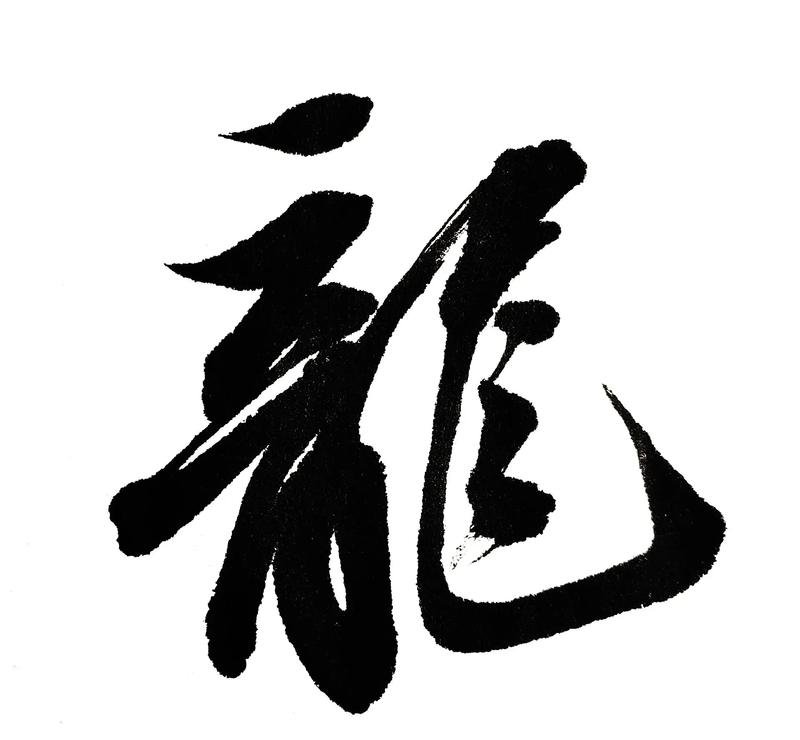
龙 (lóng) — the direct, unmistakable “dragon” character
龙 (lóng) is the straight-up dragon. It reads bold, confident, and traditional in the best way—no one has to “interpret” your meaning .
If you want a name that screams dragon without apologizing, this is your character.
15 modern name ideas using 龙 (lóng)
- 昱龙 (Yù Lóng) — “sunlight shining” + dragon; the vibe is bright power, not aggression.
- 瑞龙 (Ruì Lóng) — “auspicious omen” + dragon; classic luck-and-status energy.
- 云龙 (Yún Lóng) — “cloud” + dragon; elegant and very Chinese-mythology-coded.
- 泽龙 (Zé Lóng) — “beneficial moisture/grace” + dragon; nods to dragons bringing rain.
- 宇龙 (Yǔ Lóng) — “universe” + dragon; big, modern, cinematic.
- 景龙 (Jǐng Lóng) — “bright scenery” + dragon; feels polished and upscale.
- 霖龙 (Lín Lóng) — “steady rain” + dragon; a poetic rain-dragon pairing.
- 浩龙 (Hào Lóng) — “vast, grand” + dragon; confident but not try-hard.
- 翔龙 (Xiáng Lóng) — “soar” + dragon; movement, ambition, lift-off energy.
- 逸龙 (Yì Lóng) — “free, effortless elegance” + dragon; cool without being cold.
- 锦龙 (Jǐn Lóng) — “brocade/splendor” + dragon; prosperity, but tasteful.
- 承龙 (Chéng Lóng) — “carry on / inherit” + dragon; legacy and continuity.
- 龙骁 (Lóng Xiāo) — dragon + “valiant”; sharper, more warrior-style.
- 龙宸 (Lóng Chén) — dragon + “imperial residence”; modern luxury vibe with tradition.
- 龙曜 (Lóng Yào) — dragon + “radiant star”; flashy in a good way.
蟠 (pán) — the “coiled dragon” character (high-literary, rare, gorgeous)
蟠 (pán) means “to coil/wind,” and it’s famous in 蟠龙 (pánlóng), literally “coiled dragon” . It feels like a name pulled from a poem or an old carving on a jade ring.
This one is for people who want dragon symbolism with a quieter, more cultured flex.
15 name ideas using 蟠 (pán)
- 蟠龙 (Pán Lóng) — “coiled dragon”; direct, rare, and instantly mythic.
- 龙蟠 (Lóng Pán) — “dragon coiling”; same power, slightly more lyrical.
- 蟠云 (Pán Yún) — “coiling clouds”; like a dragon hiding in the sky.
- 云蟠 (Yún Pán) — “clouds coiling”; softer rhythm, still dragon-imagery.
- 蟠渊 (Pán Yuān) — “coiling deep waters”; a dragon’s natural habitat vibe.
- 渊蟠 (Yuān Pán) — “deep pool + coil”; feels scholarly and cinematic.
- 蟠霄 (Pán Xiāo) — “coiling up to the heavens”; ambition without the shouty tone.
- 霄蟠 (Xiāo Pán) — “heavens + coil”; airy, elegant, less heavy.
- 蟠岳 (Pán Yuè) — “coiling mountain”; grounded strength, old-soul cool.
- 岳蟠 (Yuè Pán) — “mountain + coil”; balanced and memorable.
- 蟠川 (Pán Chuān) — “coiling through rivers/valleys”; travel-and-water imagery.
- 川蟠 (Chuān Pán) — “river + coil”; clean and modern in sound.
- 蟠曜 (Pán Yào) — “coiling radiance”; suggests hidden power that shines later.
- 曜蟠 (Yào Pán) — “radiant + coil”; a sleek, stylish combo.
- 玄蟠 (Xuán Pán) — “mysterious/dark + coil”; gives “black dragon” energy without saying it.
辰 (chén) — the “dragon” hidden in the Chinese zodiac system
辰 (chén) is the big brain dragon pick. In the Chinese zodiac system, the Dragon corresponds to the Earthly Branch 辰—so this character can quietly mean “dragon” without using 龙 at all .
That subtlety is exactly why it’s so popular in real baby-name data .
15 name ideas using 辰 (chén)
- 辰龙 (Chén Lóng) — “dragon-branch dragon”; ultra on-theme, no guesswork.
- 奕辰 (Yì Chén) — “brilliant/grand” + dragon-辰; modern and proven popular .
- 宇辰 (Yǔ Chén) — “universe” + dragon-辰; spacious, clean, contemporary.
- 星辰 (Xīng Chén) — “stars” + 辰; it reads romantic, and 辰 still carries dragon meaning .
- 皓辰 (Hào Chén) — “bright (moon-white)” + dragon-辰; refined, not flashy.
- 昊辰 (Hào Chén) — “vast sky” + dragon-辰; big, open, ambitious.
- 辰曜 (Chén Yào) — “dragon-辰” + “radiant celestial body”; sharp, high-status feel.
- 辰霖 (Chén Lín) — dragon-辰 + “steady rain”; a subtle rain-dragon echo.
- 辰泽 (Chén Zé) — dragon-辰 + “grace/moisture”; gentle strength.
- 辰昱 (Chén Yù) — dragon-辰 + “sunlit”; bright future energy.
- 辰骁 (Chén Xiāo) — dragon-辰 + “valiant”; more edge, still classy.
- 允辰 (Yǔn Chén) — “sincere/true” + dragon-辰; modern unisex vibe.
- 景辰 (Jǐng Chén) — “bright scenery” + dragon-辰; polished and versatile.
- 辰翊 (Chén Yì) — dragon-辰 + “to assist / wing-like support”; reads like “a dragon with wings.”
- 砚辰 (Yàn Chén) — “inkstone” + dragon-辰; a bookish, cultured dragon pick.
麒 (qí) — the “qilin” half (mythical-beast prestige, dragon-adjacent energy)
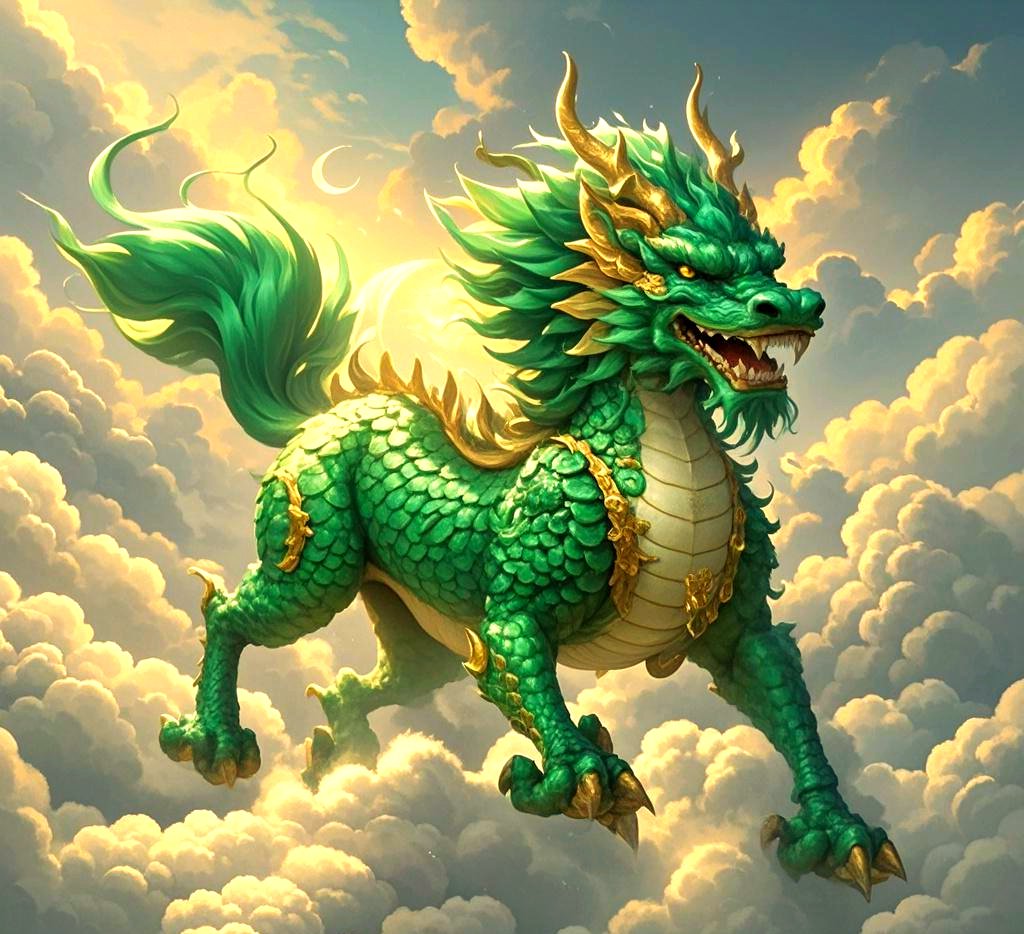
麒 (qí) is the male form in 麒麟 (qílín), the qilin—an auspicious mythical creature linked with the arrival of a sage or great ruler in traditional stories .
It’s not “dragon” literally, but it sits in the same “mythic power + good omen” tier. If 龙 feels too loud, 麒 feels expensive.
15 name ideas using 麒 (qí)
- 麒瑞 (Qí Ruì) — qilin + “auspicious”; pure good-omen symbolism.
- 麒辰 (Qí Chén) — qilin + dragon-辰; mythic beast + dragon meaning in one.
- 麒龙 (Qí Lóng) — qilin + dragon; bold, legendary pairing.
- 麒昊 (Qí Hào) — qilin + “vast sky”; bright, ambitious, clean.
- 麒曜 (Qí Yào) — qilin + “radiant star”; modern and sharp.
- 麒安 (Qí Ān) — qilin + “peace”; gentle strength.
- 麒宁 (Qí Níng) — qilin + “calm”; soft but not weak.
- 麒远 (Qí Yuǎn) — qilin + “far-reaching”; big vision energy.
- 麒航 (Qí Háng) — qilin + “voyage”; adventurous, global vibe.
- 麒骁 (Qí Xiāo) — qilin + “valiant”; sleek and powerful.
- 麒然 (Qí Rán) — qilin + “natural/so”; effortless, artsy cool.
- 麒宸 (Qí Chén) — qilin + “imperial residence”; luxury-tradition blend.
- 麒霖 (Qí Lín) — qilin + “steady rain”; soft myth + water blessing vibe.
- 麒岳 (Qí Yuè) — qilin + “mountain”; grounded greatness.
- 麒珩 (Qí Héng) — qilin + “jade pendant”; refined, literati aesthetic.
麟 (lín) — the “qilin” half that feels smooth, elegant, and very name-friendly
麟 (lín) is the female form within the qilin concept in classical explanation, and it’s been used for centuries as a symbol of nobility and good omens .
In modern naming, 麟 is popular because it looks classy, sounds soft, and still carries mythical-beast prestige.
15 name ideas using 麟 (lín)
- 瑞麟 (Ruì Lín) — “auspicious” + lin; classic “lucky mythical beast” energy.
- 子麟 (Zǐ Lín) — “child/son” + lin; timeless and smooth.
- 俊麟 (Jùn Lín) — “talented, handsome” + lin; modern and bright.
- 宸麟 (Chén Lín) — “imperial” + lin; elegant, high-status feel.
- 皓麟 (Hào Lín) — “bright” + lin; clean and refined.
- 昊麟 (Hào Lín) — “vast sky” + lin; big, open energy.
- 煜麟 (Yù Lín) — “radiant flame” + lin; sparkling but classy.
- 泽麟 (Zé Lín) — “grace/moisture” + lin; soft prosperity vibe.
- 云麟 (Yún Lín) — “cloud” + lin; airy, poetic, modern.
- 翔麟 (Xiáng Lín) — “soar” + lin; lively and ambitious.
- 嘉麟 (Jiā Lín) — “excellent/good” + lin; warm and high-approval energy.
- 祺麟 (Qí Lín) — “good fortune” + lin; lucky without sounding old.
- 亦麟 (Yì Lín) — “also” + lin; minimalist, modern rhythm.
- 洛麟 (Luò Lín) — “Luo River” + lin; poetic and memorable.
- 昕麟 (Xīn Lín) — “dawn light” + lin; gentle, optimistic vibe.
My personal “best picks” (meaning + real-world popularity)
If you want something that works in daily life—easy to say, easy to like, still dragon-strong—these are hard to beat. I’m mixing “actual usage trends” with “won’t sound cheesy in 10 years.”
Top picks
- 辰曜 (Chén Yào, 辰曜) — subtle dragon meaning (辰) + “radiant star.” It feels modern, premium, and not overused.
- 奕辰 (Yì Chén, 奕辰) — widely used in recent official local data; it reads bright and capable while keeping the dragon-辰 link .
- 云龙 (Yún Lóng, 云龙) — iconic dragon imagery without sounding like a movie villain.
- 翔龙 (Xiáng Lóng, 翔龙) — “soaring dragon” is straightforward, energetic, and positive.
- 麒辰 (Qí Chén, 麒辰) — mythical prestige + subtle dragon meaning; feels unique without being weird.
- 瑞麟 (Ruì Lín, 瑞麟) — elegant and lucky; great if you want “mythical blessing” without shouting 龙.
A data point you can actually use
Here’s a real-world trend that explains why 辰 is having a moment: one official city report counted 5,064 newborns named with 辰 in 2024, while only 269 used 龙 .
Translation: parents often want the dragon meaning, but they prefer a name that feels subtle and modern.
Naming “don’ts” (dragon edition): what to avoid
- Don’t pick a name that sounds like a game username: examples like 狂龙 (Kuáng Lóng, “mad dragon”) or 龙傲天 (Lóng Ào Tiān, “dragon proud of heaven”) can feel cringey fast.
- Avoid accidental meanings with the surname: some combos create weird phrases when read together. Say it out loud and have a native reader sanity-check it.
- Be careful with ultra-rare characters: they can be misread, mistyped, or rejected by some systems—pretty common headache with uncommon forms .
- Don’t over-stack “power” characters: a name like 龙霸 (Lóng Bà) (“dragon dominates”) can sound aggressive or arrogant, not “confident.”
- Watch the “English ear” problem: “Long” (龙) can be read as the English word “long.” If that bugs you, go with 辰 or 麒/麟 instead.
- Skip look-alike substitutions: for example, 蟠 (pán) is meaningful, but people may confuse it with 盘 (pán). If you hate correcting people, choose a simpler dragon option.
If you want a fast way to decide
- Want “no doubt it means dragon”? pick a 龙 name.
- Want “dragon meaning, modern feel”? pick a 辰 name.
- Want “mythical prestige, softer vibe”? pick 麒 or 麟.
- Want “rare literary dragon”? pick 蟠 (and accept you’ll explain it sometimes).