3-Syllable Chinese Names: 80 Names in 4 Styles + How to Create Your Own
Most Mandarin Chinese names “feel” short because each Chinese character is usually one syllable. The most common pattern is 1-syllable surname + 2-syllable given name—so you get three syllables in Pinyin, like “Wang Yu Han.” A large national-ID-based surname study is widely reported as showing the top 100 surnames cover about 85% of the population, and a survey-based study on given names shows two-character given names recovered dominance by the end of the 20th century (about 90% for male names and 80% for female names in their sample)—which is exactly why 3-syllable full names are what you hear all day in Mandarin.
- Report summarizing the national-ID surname study (mentions “top 100 ≈ 85%”)
- Onomastica paper on one- vs two-character given names (PDF)
- UHRP guide (PDF) on reporting Uyghur names and language
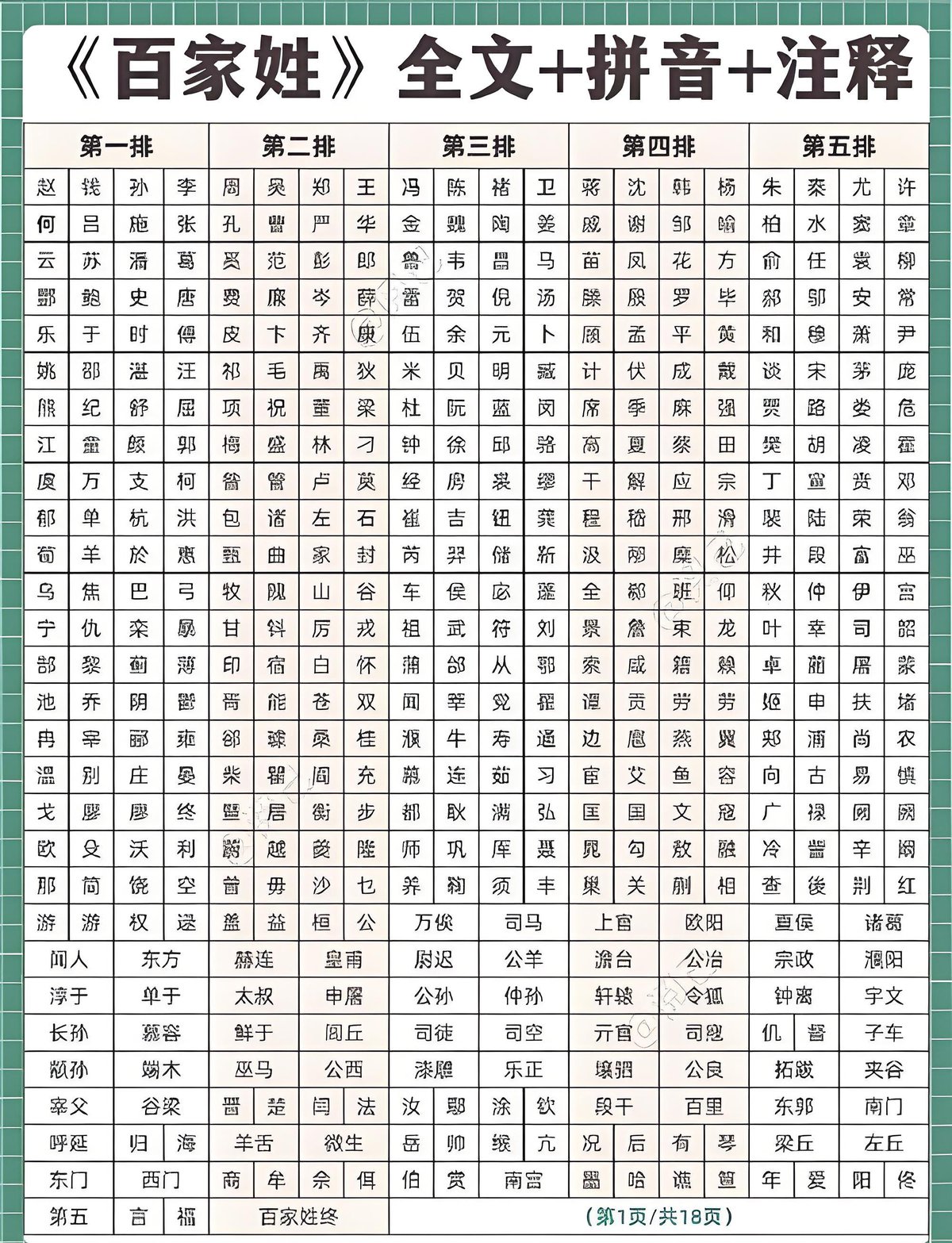
What “3 Syllables” Usually Means (In One Line)
One-character surname + two-character given name → 3 syllables in Pinyin. Example: Chen Yu Ze (陈宇泽) = Chen / Yu / Ze.
How to Build Your Own 3-Syllable Chinese Name (3 steps)
- Pick a surname you like the sound of (Wang 王, Li 李, Chen 陈, Liu 刘, Zhang 张 are everywhere).
- Choose a “vibe” (modern, poetic, classic virtue, elegant) and stick to it—mixing styles is how names get weird fast.
- Say it out loud 10 times and check for awkward sound-alikes. If it’s hard to say quickly, it’ll be hard for everyone.
80 Three-Syllable Chinese Names (Grouped by Style)
Every option below is 3 syllables (1-syllable surname + 2-syllable given name). Meanings are the “friendly” meanings people usually intend—characters can have nuance, so treat meanings as guidance, not a legal contract.
1) Modern + Clean (Great for a “global” feel)
| Full Name | Surname | Given Name | Meaning (quick) | Gender Fit |
|---|---|---|---|---|
| Wang Yu Han (王宇涵) | Wang (王) | Yu Han (宇涵) | “vast universe” + “to contain / gracious” | Neutral |
| Li Zi Chen (李子辰) | Li (李) | Zi Chen (子辰) | “child / scholar” + “star / time” | Neutral |
| Zhang Yi Chen (张奕辰) | Zhang (张) | Yi Chen (奕辰) | “bright / grand” + “morning star” | Male |
| Chen Yu Ze (陈宇泽) | Chen (陈) | Yu Ze (宇泽) | “universe” + “benefit / grace” | Neutral |
| Liu Hao Ran (刘浩然) | Liu (刘) | Hao Ran (浩然) | “vast” + “upright / natural” | Neutral |
| Yang Xin Yu (杨欣宇) | Yang (杨) | Xin Yu (欣宇) | “joy” + “wide sky” | Female |
| Zhou Jia Rui (周佳瑞) | Zhou (周) | Jia Rui (佳瑞) | “excellent” + “auspicious” | Female |
| Zhao Ming Xi (赵明熙) | Zhao (赵) | Ming Xi (明熙) | “bright” + “sunshine / thriving” | Neutral |
| Huang Zi Mo (黄子墨) | Huang (黄) | Zi Mo (子墨) | “scholar” + “ink (arts)” | Male |
| Wu Chen Xi (吴晨曦) | Wu (吴) | Chen Xi (晨曦) | “morning” + “first sunlight” | Female |
| Xu Yu Tong (徐宇桐) | Xu (徐) | Yu Tong (宇桐) | “universe” + “paulownia tree” | Female |
| Sun Yi Fan (孙逸凡) | Sun (孙) | Yi Fan (逸凡) | “free / easy” + “grounded / humble” | Male |
| Guo Jun Yi (郭俊逸) | Guo (郭) | Jun Yi (俊逸) | “talented” + “unconstrained” | Male |
| He Jun Jie (何俊杰) | He (何) | Jun Jie (俊杰) | “talented” + “outstanding” | Male |
| Lin Hao Yu (林浩宇) | Lin (林) | Hao Yu (浩宇) | “vast” + “universe” | Male |
| Gao Yu Fei (高宇飞) | Gao (高) | Yu Fei (宇飞) | “wide sky” + “to fly” | Male |
| Luo Zi Yang (罗子扬) | Luo (罗) | Zi Yang (子扬) | “scholar” + “to rise / uplift” | Male |
| Zheng Yi Han (郑奕涵) | Zheng (郑) | Yi Han (奕涵) | “bright / grand” + “graceful depth” | Male |
| Tang Rui Ze (唐瑞泽) | Tang (唐) | Rui Ze (瑞泽) | “auspicious” + “blessing / benefit” | Male |
| Song Yi An (宋亦安) | Song (宋) | Yi An (亦安) | “also” + “peace” (simple, calm vibe) | Female |
2) Poetic + Nature (Soft, cinematic, very “main character”)
| Full Name | Surname | Given Name | Meaning (quick) | Gender Fit |
|---|---|---|---|---|
| Lin Qing Yu (林清雨) | Lin (林) | Qing Yu (清雨) | “clear” + “rain” | Neutral |
| Zhou Ruo Xi (周若溪) | Zhou (周) | Ruo Xi (若溪) | “like” + “stream” | Neutral |
| Chen Wan Qing (陈婉晴) | Chen (陈) | Wan Qing (婉晴) | “gentle” + “clear sky” | Female |
| Wang Mu Han (王沐涵) | Wang (王) | Mu Han (沐涵) | “bathed in” + “graceful depth” | Male |
| Zhao Yun Xi (赵云溪) | Zhao (赵) | Yun Xi (云溪) | “cloud” + “stream” | Female |
| Liu Qing Lan (刘清岚) | Liu (刘) | Qing Lan (清岚) | “clear” + “mountain mist” | Neutral |
| Yang Yu Xuan (杨雨萱) | Yang (杨) | Yu Xuan (雨萱) | “rain” + “daylily (joy)” | Female |
| Xu Yue Ning (徐月宁) | Xu (徐) | Yue Ning (月宁) | “moon” + “peaceful” | Neutral |
| Huang Chen Yu (黄晨雨) | Huang (黄) | Chen Yu (晨雨) | “morning” + “rain” | Male |
| Wu Qing He (吴清禾) | Wu (吴) | Qing He (清禾) | “clear” + “grain / young crops” | Male |
| Sun Hai Yue (孙海月) | Sun (孙) | Hai Yue (海月) | “sea” + “moon” | Female |
| Guo Shan Yu (郭山雨) | Guo (郭) | Shan Yu (山雨) | “mountain” + “rain” | Male |
| He Lu Yao (何露瑶) | He (何) | Lu Yao (露瑶) | “dew” + “jade (precious)” | Female |
| Gao Xue Ning (高雪宁) | Gao (高) | Xue Ning (雪宁) | “snow” + “peace” | Neutral |
| Luo Qing Tong (罗青桐) | Luo (罗) | Qing Tong (青桐) | “green/young” + “paulownia” | Male |
| Zheng Yi Lin (郑依琳) | Zheng (郑) | Yi Lin (依琳) | “to rely” + “jade-like beauty” | Female |
| Tang Wan Yue (唐晚月) | Tang (唐) | Wan Yue (晚月) | “evening” + “moon” | Female |
| Song Yu Tong (宋雨桐) | Song (宋) | Yu Tong (雨桐) | “rain” + “paulownia” | Female |
| Ma Qing Yu (马清渝) | Ma (马) | Qing Yu (清渝) | “clear” + “river / flowing change” | Male |
| Xie Han Yan (谢寒烟) | Xie (谢) | Han Yan (寒烟) | “cool/cold” + “mist/smoke” (poetic) | Female |
3) Classic Virtue (Very “reliable adult,” good for formal settings)
| Full Name | Surname | Given Name | Meaning (quick) | Gender Fit |
|---|---|---|---|---|
| Li De Cheng (李德成) | Li (李) | De Cheng (德成) | “virtue” + “to achieve” | Neutral |
| Wang Ren Jie (王仁杰) | Wang (王) | Ren Jie (仁杰) | “benevolence” + “outstanding” | Male |
| Zhang Jun De (张俊德) | Zhang (张) | Jun De (俊德) | “talent” + “virtue” | Male |
| Chen Li Xin (陈立新) | Chen (陈) | Li Xin (立新) | “to establish” + “new” | Neutral |
| Liu Jian Ming (刘建明) | Liu (刘) | Jian Ming (建明) | “to build” + “bright/clear” | Neutral |
| Yang Zheng Hao (杨正浩) | Yang (杨) | Zheng Hao (正浩) | “upright” + “vast” | Male |
| Zhao Wen Bo (赵文博) | Zhao (赵) | Wen Bo (文博) | “literary” + “broad learning” | Male |
| Huang Guo Qiang (黄国强) | Huang (黄) | Guo Qiang (国强) | “nation” + “strong” | Male |
| Wu Zhi Yuan (吴志远) | Wu (吴) | Zhi Yuan (志远) | “ambition” + “far” | Male |
| Xu An Ran (徐安然) | Xu (徐) | An Ran (安然) | “safe” + “calm” | Female |
| Sun Jia He (孙嘉和) | Sun (孙) | Jia He (嘉和) | “praise” + “harmony” | Neutral |
| Guo Ming De (郭明德) | Guo (郭) | Ming De (明德) | “bright” + “virtue” | Male |
| He Wen Jie (何文杰) | He (何) | Wen Jie (文杰) | “cultured” + “outstanding” | Male |
| Lin Yu Cheng (林宇成) | Lin (林) | Yu Cheng (宇成) | “wide world” + “to accomplish” | Male |
| Gao Shou Yi (高守义) | Gao (高) | Shou Yi (守义) | “to keep” + “righteousness” | Male |
| Luo Cheng En (罗承恩) | Luo (罗) | Cheng En (承恩) | “to receive” + “grace” | Neutral |
| Zheng Li Wei (郑立伟) | Zheng (郑) | Li Wei (立伟) | “to establish” + “great” | Male |
| Tang Yong Jun (唐永俊) | Tang (唐) | Yong Jun (永俊) | “forever” + “talented” | Male |
| Song Hao Tian (宋浩天) | Song (宋) | Hao Tian (浩天) | “vast” + “sky” | Male |
| Xie Jun Hao (谢俊豪) | Xie (谢) | Jun Hao (俊豪) | “talented” + “heroic” | Male |
4) Elegant + Sweet (Popular for girls, but plenty are unisex)
| Full Name | Surname | Given Name | Meaning (quick) | Gender Fit |
|---|---|---|---|---|
| Chen Xin Yi (陈欣怡) | Chen (陈) | Xin Yi (欣怡) | “joy” + “content” | Female |
| Wang Ya Ting (王雅婷) | Wang (王) | Ya Ting (雅婷) | “elegant” + “graceful” | Female |
| Li Jia Yi (李佳怡) | Li (李) | Jia Yi (佳怡) | “good” + “happy” | Female |
| Zhang Zi Xuan (张梓萱) | Zhang (张) | Zi Xuan (梓萱) | “catalpa tree” + “daylily (joy)” | Female |
| Liu Meng Yao (刘梦瑶) | Liu (刘) | Meng Yao (梦瑶) | “dream” + “jade (precious)” | Female |
| Yang Zi Ning (杨紫宁) | Yang (杨) | Zi Ning (紫宁) | “purple” + “peaceful” | Female |
| Zhao Wen Jing (赵文静) | Zhao (赵) | Wen Jing (文静) | “cultured” + “quiet” | Female |
| Huang Ruo Tong (黄若彤) | Huang (黄) | Ruo Tong (若彤) | “like” + “red / rosy” | Female |
| Wu Ke Xin (吴可欣) | Wu (吴) | Ke Xin (可欣) | “lovely” + “joyful” | Female |
| Xu Yi Ran (徐依然) | Xu (徐) | Yi Ran (依然) | “as before / still” | Neutral |
| Sun Xin Ran (孙欣然) | Sun (孙) | Xin Ran (欣然) | “gladly / happily” | Neutral |
| Guo Yu Fei (郭雨菲) | Guo (郭) | Yu Fei (雨菲) | “rain” + “fragrant lushness” | Female |
| He Yi Tong (何依桐) | He (何) | Yi Tong (依桐) | “to rely” + “paulownia” | Neutral |
| Lin Wen Xin (林文心) | Lin (林) | Wen Xin (文心) | “literary” + “heart” | Neutral |
| Gao Yu Xuan (高语萱) | Gao (高) | Yu Xuan (语萱) | “words” + “daylily (joy)” | Female |
| Luo Jing Yi (罗静怡) | Luo (罗) | Jing Yi (静怡) | “quiet” + “content” | Female |
| Zheng Wan Er (郑婉儿) | Zheng (郑) | Wan Er (婉儿) | “gentle” + “child (affectionate)” | Female |
| Tang Zi Yi (唐子怡) | Tang (唐) | Zi Yi (子怡) | “child / scholar” + “happy” | Neutral |
| Song Xin Yu (宋心语) | Song (宋) | Xin Yu (心语) | “heart” + “speech/words” | Female |
| Ma Yi Ning (马依宁) | Ma (马) | Yi Ning (依宁) | “to rely” + “peaceful” | Female |
Quick Note on 2-Syllable Chinese Names (Still Real, Just Less “Default”)
Two-syllable full names usually mean 1-syllable surname + 1-syllable given name, like “Li Na” (李娜, Li Na). They became fashionable in some mid-1900s cohorts because shorter names sounded “modern”—then duplication got annoying, and two-character given names bounced back.
Want More 3-Syllable Names? Use a Generator (Fast)
If you’re generating names for a baby, a character, a pen name, or a brand persona, it helps to generate in bulk and then shortlist. These two pages do exactly that:
4-Syllable Chinese Names (Usually Compound Surnames)
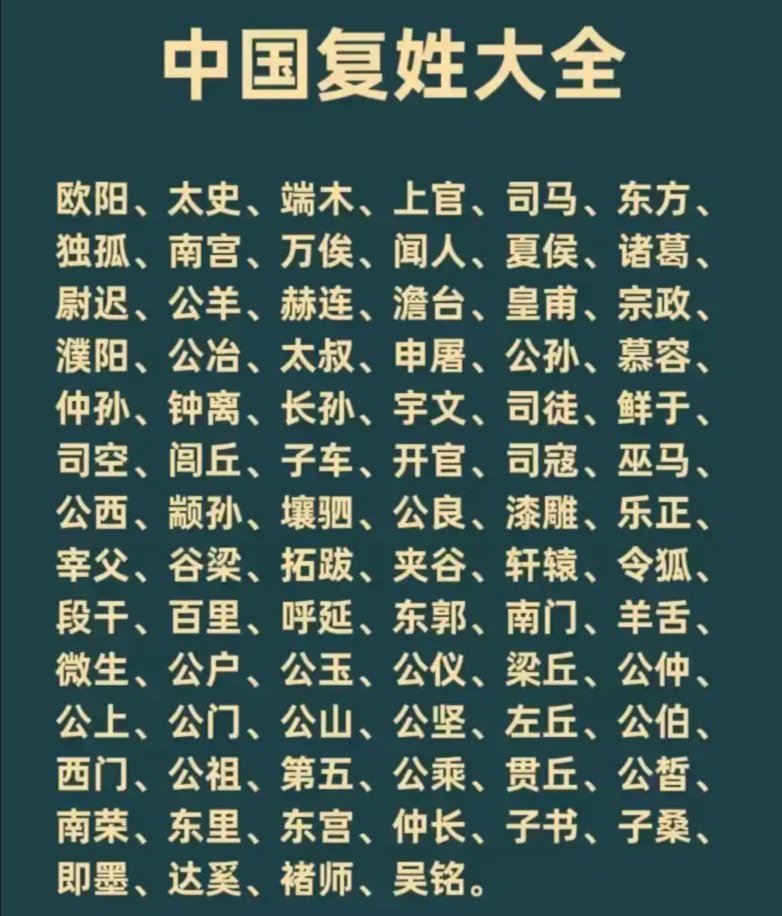
Four syllables usually means you’ve got a compound surname like Ouyang (欧阳) or Sima (司马), plus a two-syllable given name. They’re real, they’re cool, and they’re rare—so they stand out instantly.
- Ouyang Zi Mo (欧阳子墨) — surname: Ouyang (欧阳) + given: Zi Mo (子墨)
- Sima Wen Hao (司马文浩) — surname: Sima (司马) + given: Wen Hao (文浩)
- Zhuge Ming Yue (诸葛明月) — surname: Zhuge (诸葛) + given: Ming Yue (明月)
- Shangguan Wan Er (上官婉儿) — surname: Shangguan (上官) + given: Wan Er (婉儿)
- Situ Hao Ran (司徒浩然) — surname: Situ (司徒) + given: Hao Ran (浩然)
- Xiahou Yu Han (夏侯宇涵) — surname: Xiahou (夏侯) + given: Yu Han (宇涵)
- Huangfu Chen Xi (皇甫晨曦) — surname: Huangfu (皇甫) + given: Chen Xi (晨曦)
- Nangong Yu Tong (南宫雨桐) — surname: Nangong (南宫) + given: Yu Tong (雨桐)
- Dongfang Qing Yu (东方清雨) — surname: Dongfang (东方) + given: Qing Yu (清雨)
- Gongsun Yi Ran (公孙亦然) — surname: Gongsun (公孙) + given: Yi Ran (亦然)
- Murong Zi Xuan (慕容梓萱) — surname: Murong (慕容) + given: Zi Xuan (梓萱)
- Duanmu Qing He (端木清禾) — surname: Duanmu (端木) + given: Qing He (清禾)
4+ Syllable Names (Often Multi-Part Naming Systems)
This is where “surname + given name” stops being a universal assumption. In a multi-ethnic society, you’ll encounter naming systems that can stack multiple parts (for example: a personal name plus a parent-name element, or an additional community/religious name). When these are written in Chinese characters (as transliterations), it’s normal to see four characters or more—which becomes 4+ syllables in Mandarin pronunciation.
Uyghur: multi-part names and careful segmentation (often written with a middle dot “·”)
Uyghur names are frequently mishandled when forced into a Mandarin-style “last name / family name” template. Chinese writing often uses a middle dot “·” to visibly separate parts in transliteration.
- Example (Uyghur, 7+ characters): 迪丽热巴·迪力木拉提
- Example (Uyghur, 7+ characters): 古力娜扎·拜合提亚尔
- Example (Uyghur, 8+ characters): 阿不都沙拉木·阿不都热西提
- Why it matters: If you flip parts or guess a “surname” incorrectly, you can misidentify someone.
Mongol/Mongolian: long Chinese-character transliterations are common
Mongolian names, when rendered in Chinese characters, often appear as 4–6+ characters simply because the sound-to-character mapping needs multiple characters.
- Example (Mongol/Mongolian, 4 characters): 斯琴高娃
- Example (Mongol/Mongolian, 5 characters): 乌云其木格
Hui: legal Chinese names plus (sometimes) an additional religious/community name
Many Hui people use standard Chinese legal names in day-to-day administration. In some communities, an additional religious/community name is also used, and Chinese transliterations of Arabic-origin names are often 4+ characters.
- Example (Arabic-origin name written in Chinese, 4 characters): 穆罕默德
- Example (Arabic-origin name written in Chinese, 4 characters): 易卜拉欣
- Example (Arabic-origin name written in Chinese, 4 characters): 阿卜杜拉
A simple respect rule
Don’t assume “surname-first” is always correct. For naming systems that don’t match the Han Chinese template, reversing or re-segmenting parts can be disrespectful or simply wrong. When in doubt, ask the person how they want their name written and addressed.
FAQ (Short, Practical)
Who uses 3-syllable Chinese names the most?
Mainland Mandarin contexts strongly favor a one-character surname plus a two-character given name, so “1 + 2” becomes the default rhythm you hear constantly.
Why did Chinese naming habits change over time?
Two big forces: fashion (short names felt modern) and duplication (too many people ended up sharing identical full names). The given-name study documents the swing toward one-character given names mid-20th century and the later return of two-character given names.
One Last Tip (That Saves Regret)
Before you commit, run your favorite name through a “three-check”: sound (say it fast), meaning (no accidental weirdness), and writing (avoid ultra-rare characters if you want easy forms and logins). A name can be beautiful and still be a daily inconvenience.